


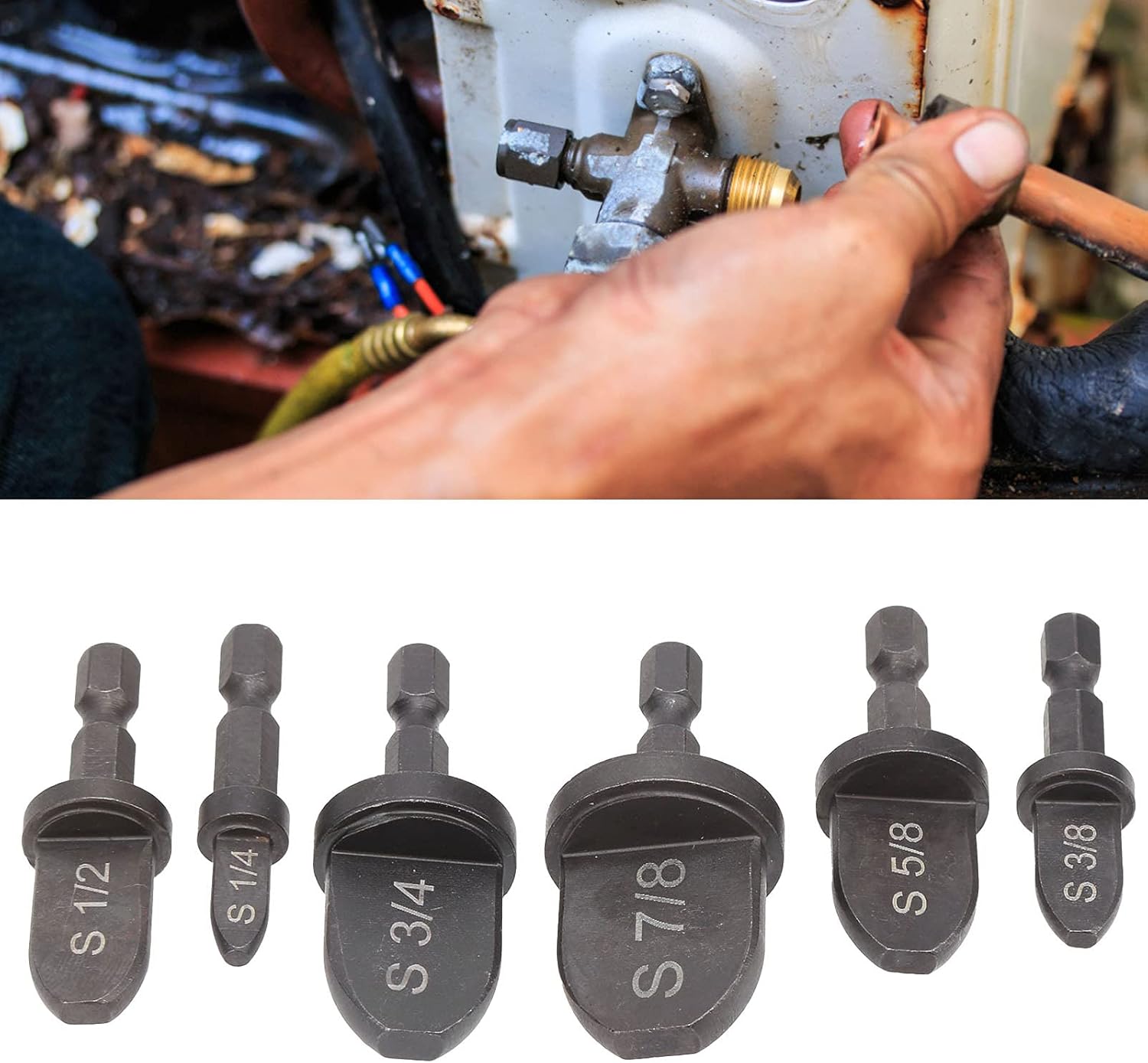


Hand tools are essential for various tasks, from simple home repairs to complex construction projects. To ensure their longevity and optimal performance, proper maintenance is crucial. In this article, we will discuss the best practices for maintaining your hand tools and keeping them in top condition for long-term use.
Clean Your Tools Regularly
One of the most important steps in maintaining your hand tools is to clean them regularly. After each use, remove any dirt, debris, or residue from the tool using a clean cloth or brush. For stubborn dirt or grime, use a mild detergent or solvent to clean the tool thoroughly. Make sure to dry the tool completely to prevent rust or corrosion.
Store Tools Properly
Proper storage is essential for keeping your hand tools in good condition. Store your tools in a dry, cool place away from direct sunlight and moisture. Use a toolbox, tool chest, or wall-mounted storage system to keep your tools organized and easily accessible. Avoid stacking tools on top of each other, as this can cause damage to the tools at the bottom.
Lubricate Moving Parts
To keep your tools functioning smoothly, lubricate any moving parts regularly. Use a high-quality lubricant, such as WD-40 or machine oil, to lubricate hinges, joints, and other moving components. This will help prevent rust, reduce friction, and extend the life of your tools.
Sharpen Cutting Tools
Sharp cutting tools are not only more efficient but also safer to use. Regularly sharpen your cutting tools, such as knives, chisels, and saws, using the appropriate sharpening method for each tool. For example, use a whetstone for knives and chisels, and a file for saws. Always follow the manufacturer’s instructions for sharpening angles and techniques.
Inspect Tools for Damage
Regularly inspect your hand tools for signs of wear, damage, or corrosion. Look for cracks, dents, loose parts, or any other visible damage. If you notice any issues, repair or replace the tool as needed. Using damaged tools can be dangerous and may lead to accidents or injuries.
Protect Handles and Grips
Handles and grips are often the most exposed parts of hand tools and can deteriorate over time. To protect wooden handles, apply a coat of linseed oil or beeswax to maintain their condition and prevent cracking or splintering. For plastic or rubber grips, clean them regularly and avoid exposing them to harsh chemicals or extreme temperatures.
Maintain Electrical Components
If you have electric-powered hand tools, such as drills or sanders, make sure to maintain their electrical components. Check the power cords for signs of wear or damage, and replace them if necessary. Keep the ventilation slots clean and free from debris to prevent overheating. Always unplug your tools when not in use and store them safely.
Conclusion
By following these simple maintenance tips, you can extend the life of your hand tools and ensure their optimal performance. Regular cleaning, proper storage, lubrication, sharpening, and inspection will help you get the most out of your tools and save you money in the long run. Remember, well-maintained tools are not only more efficient but also safer to use.
FAQs
Q: How often should I clean my hand tools?
A: It’s best to clean your tools after each use to prevent dirt and debris from building up. For tools that are used frequently, a more thorough cleaning should be done at least once a month.
Q: Can I use any lubricant for my hand tools?
A: While there are various lubricants available, it’s best to use a high-quality lubricant specifically designed for hand tools, such as WD-40 or machine oil. Avoid using cooking oil or other non-tool-specific lubricants, as they can attract dirt and gum up the moving parts.
Q: How do I know when it’s time to replace a hand tool?
A: If a tool is damaged beyond repair, or if it becomes worn out and no longer functions properly, it’s time to replace it. Additionally, if a tool becomes unsafe to use due to damage or wear, it should be replaced immediately.
Q: Is it necessary to sharpen my cutting tools if I don’t use them often?
A: Yes, even if you don’t use your cutting tools frequently, they can still become dull over time. It’s a good idea to sharpen them at least once a year to maintain their performance and safety.
Q: Can I store my hand tools outside?
A: It’s not recommended to store your hand tools outside, as exposure to moisture and temperature fluctuations can cause damage and corrosion. Always store your tools in a dry, cool place indoors.