




Power tools are essential for heavy-duty construction projects, as they provide the necessary force, speed, and precision to complete tasks efficiently. These tools are designed to handle tough materials and demanding applications, making them indispensable for construction professionals. In this article, we will discuss some of the most commonly used power tools in heavy-duty construction and their applications.
1. Jackhammers
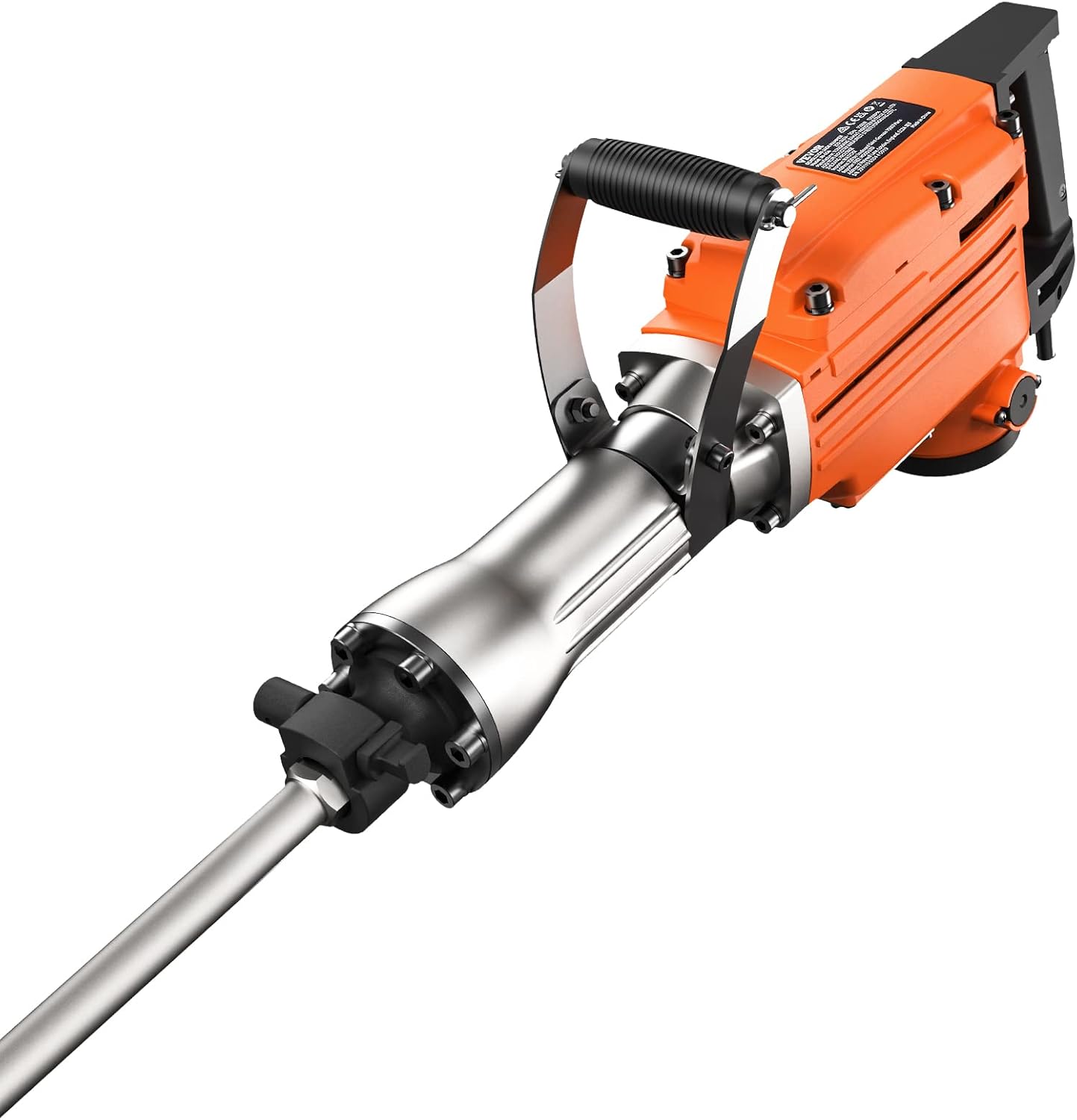
Jackhammers, also known as pneumatic drills or demolition hammers, are powerful tools used for breaking up concrete, asphalt, and other hard surfaces. They operate by driving a chisel into the material using a piston mechanism powered by compressed air or electricity. Jackhammers come in various sizes and weights, with larger models capable of delivering more force for tougher jobs.
2. Circular Saws
Circular saws are versatile cutting tools that can handle a wide range of materials, including wood, metal, and concrete. They feature a rotating circular blade with sharp teeth that cut through the material as it spins. Circular saws can be handheld or mounted on a table, and they come in various sizes to accommodate different cutting depths and materials.
3. Angle Grinders
Angle grinders are powerful tools used for cutting, grinding, and polishing various materials, such as metal, concrete, and stone. They feature a rotating disc that can be fitted with different attachments, such as cutting blades, grinding wheels, or wire brushes. Angle grinders are available in various sizes and power ratings to suit different applications and materials.
4. Rotary Hammers
Rotary hammers are specialized tools used for drilling holes in concrete, brick, and other masonry materials. They combine a hammering action with a rotating drill bit to break up the material and remove debris as the hole is drilled. Rotary hammers come in various sizes and power ratings, with larger models capable of drilling larger holes and handling tougher materials.
5. Impact Wrenches
Impact wrenches are powerful tools used for tightening and loosening bolts, nuts, and other fasteners. They deliver high torque output by using a hammering mechanism to impart a sudden rotational force to the fastener. Impact wrenches are commonly used in construction for assembling and disassembling heavy equipment, such as cranes, excavators, and trucks.
6. Nail Guns
Nail guns, also known as nailers, are tools used for driving nails into wood or other materials quickly and efficiently. They use compressed air or a combustion mechanism to drive the nail into the material with a single trigger pull. Nail guns come in various sizes and styles to accommodate different nail lengths and applications, such as framing, roofing, and finishing.
7. Concrete Mixers
Concrete mixers are essential tools for any construction project involving concrete. They are used to mix cement, sand, gravel, and water to create concrete for foundations, walls, sidewalks, and other structures. Concrete mixers come in various sizes and types, including portable models for small jobs and large, stationary models for high-volume production.
8. Plate Compactors
Plate compactors are tools used for compacting soil, gravel, and other loose materials to create a solid, stable base for construction. They feature a heavy, flat plate that vibrates rapidly to compress the material beneath it. Plate compactors come in various sizes and weights to suit different applications and materials, such as preparing a base for a driveway or patio.
Conclusion
Power tools are essential for heavy-duty construction projects, as they provide the necessary force, speed, and precision to complete tasks efficiently. From jackhammers and circular saws to concrete mixers and plate compactors, these tools are designed to handle tough materials and demanding applications. By understanding the capabilities and limitations of each tool, construction professionals can select the right equipment for their specific needs and ensure a successful project outcome.
FAQs
Q: What safety precautions should I take when using power tools?
A: Always wear appropriate personal protective equipment (PPE), such as safety glasses, ear protection, and gloves. Ensure the tool is in good condition and properly maintained. Follow the manufacturer’s instructions for use and maintain a clean and organized work area to prevent accidents.
Q: Can power tools be used for DIY projects?
A: Yes, many power tools are suitable for DIY projects, such as circular saws, angle grinders, and nail guns. However, it is essential to understand the tool’s capabilities and limitations and follow proper safety precautions to prevent injury.
Q: Can I rent power tools instead of buying them?
A: Yes, many equipment rental companies offer a wide range of power tools for rent, which can be a cost-effective solution for short-term projects or tools that are infrequently used. Be sure to inspect the tool before renting and follow proper safety precautions during use.