


Electrical equipment is an essential part of any DIY project or repair. Whether you are a beginner or an experienced DIY enthusiast, having the right tools and equipment is crucial for ensuring the success and safety of your projects. In this article, we will discuss some of the most important electrical equipment for DIY projects and repairs.
Multimeter
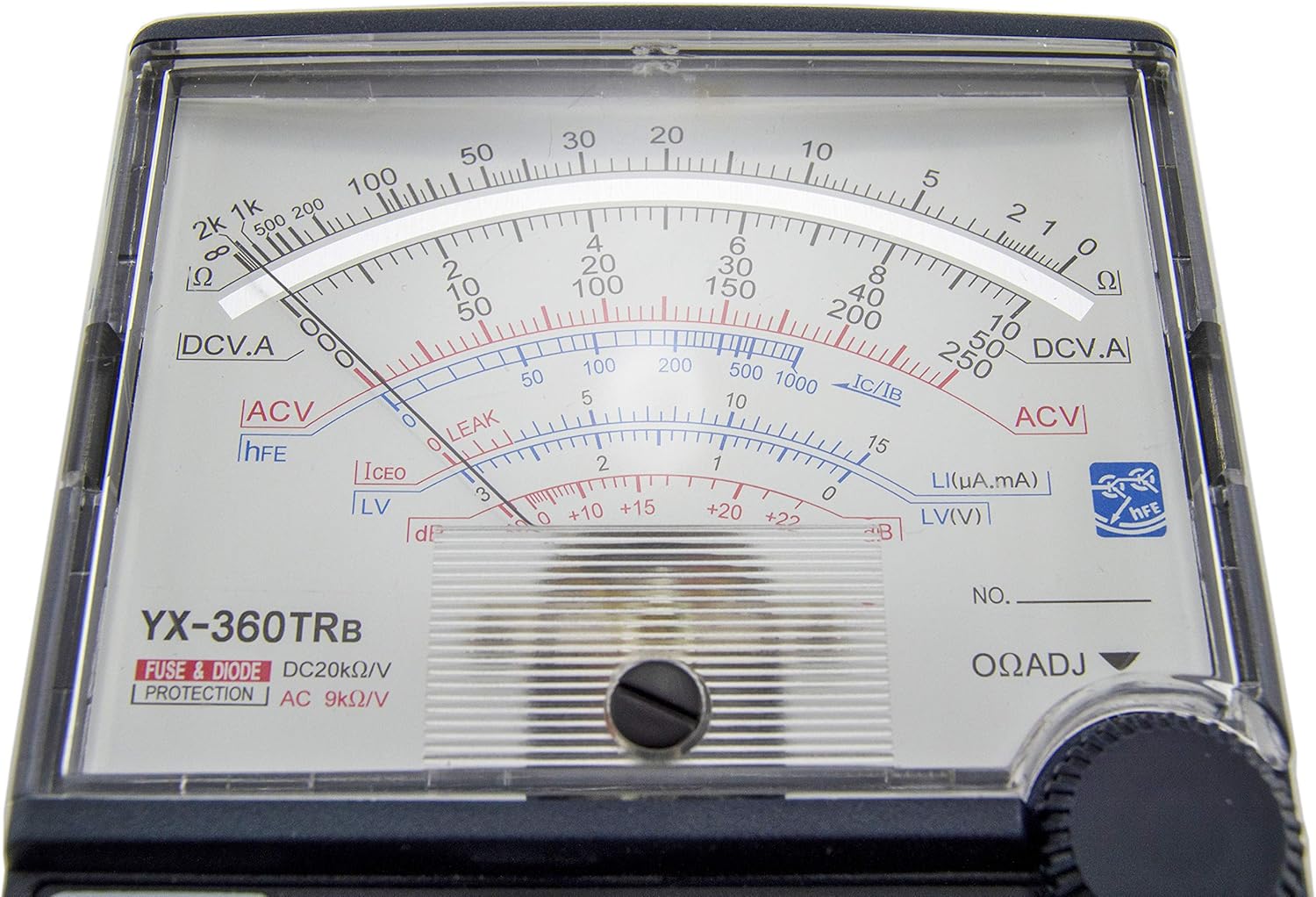
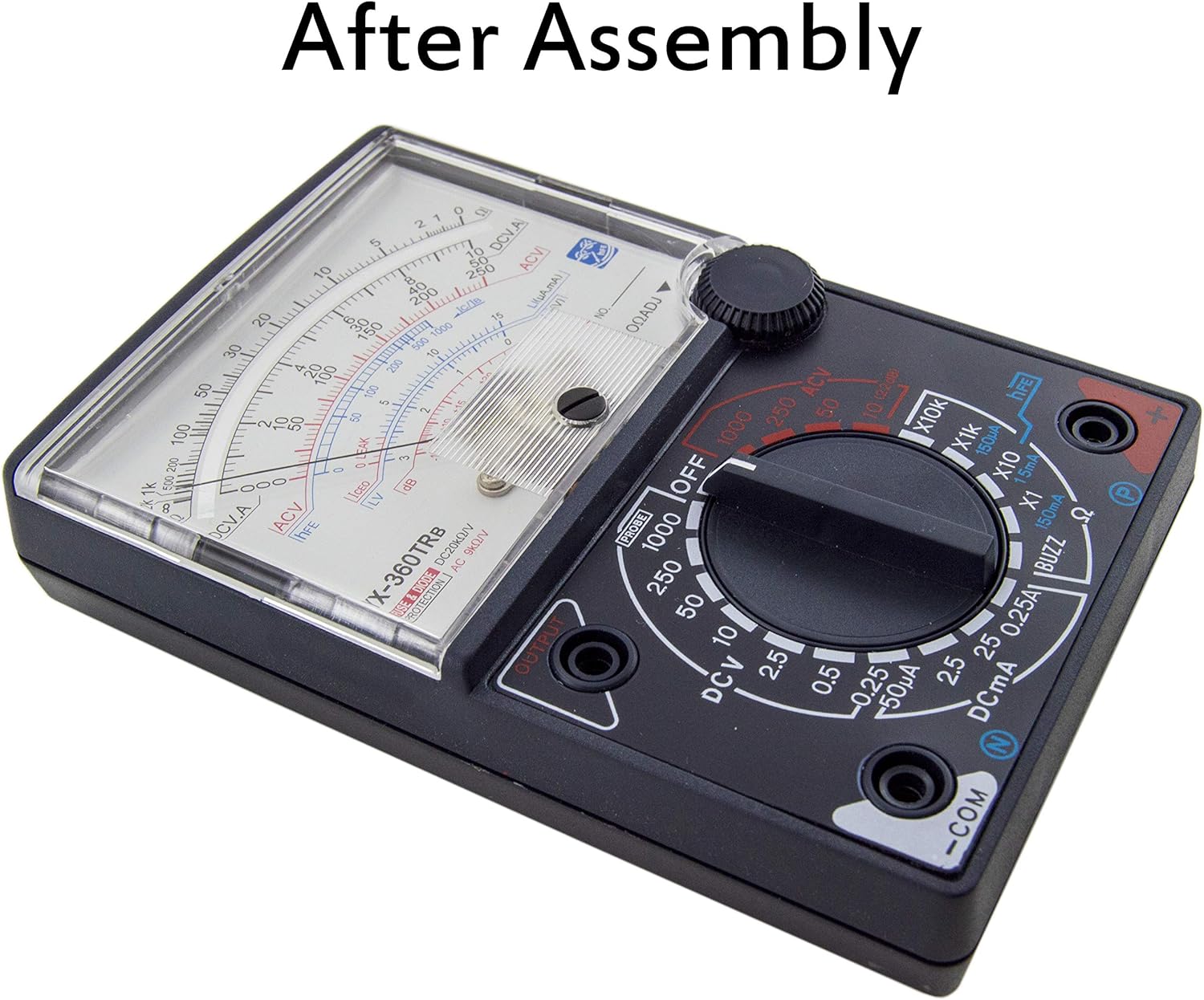
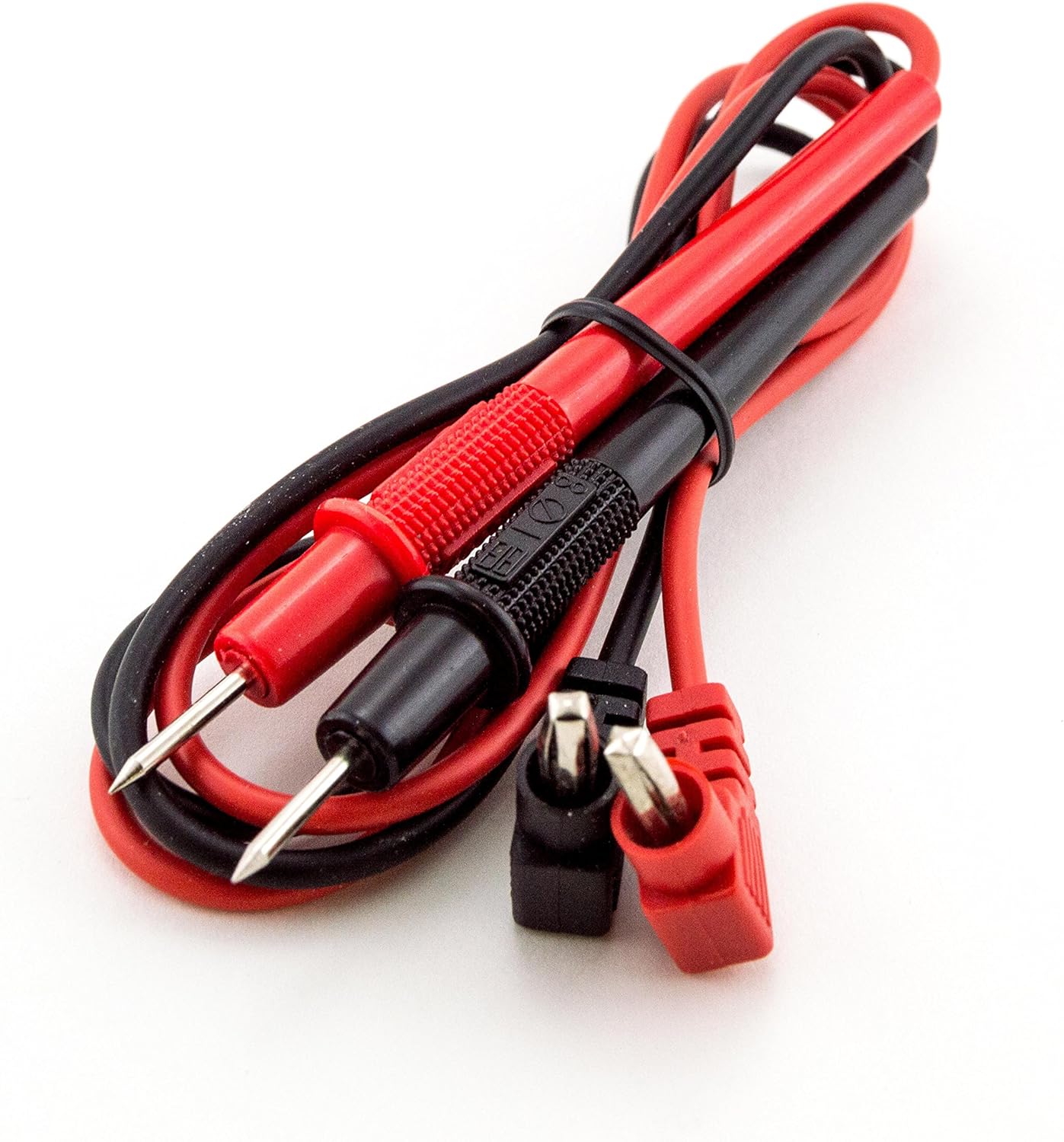
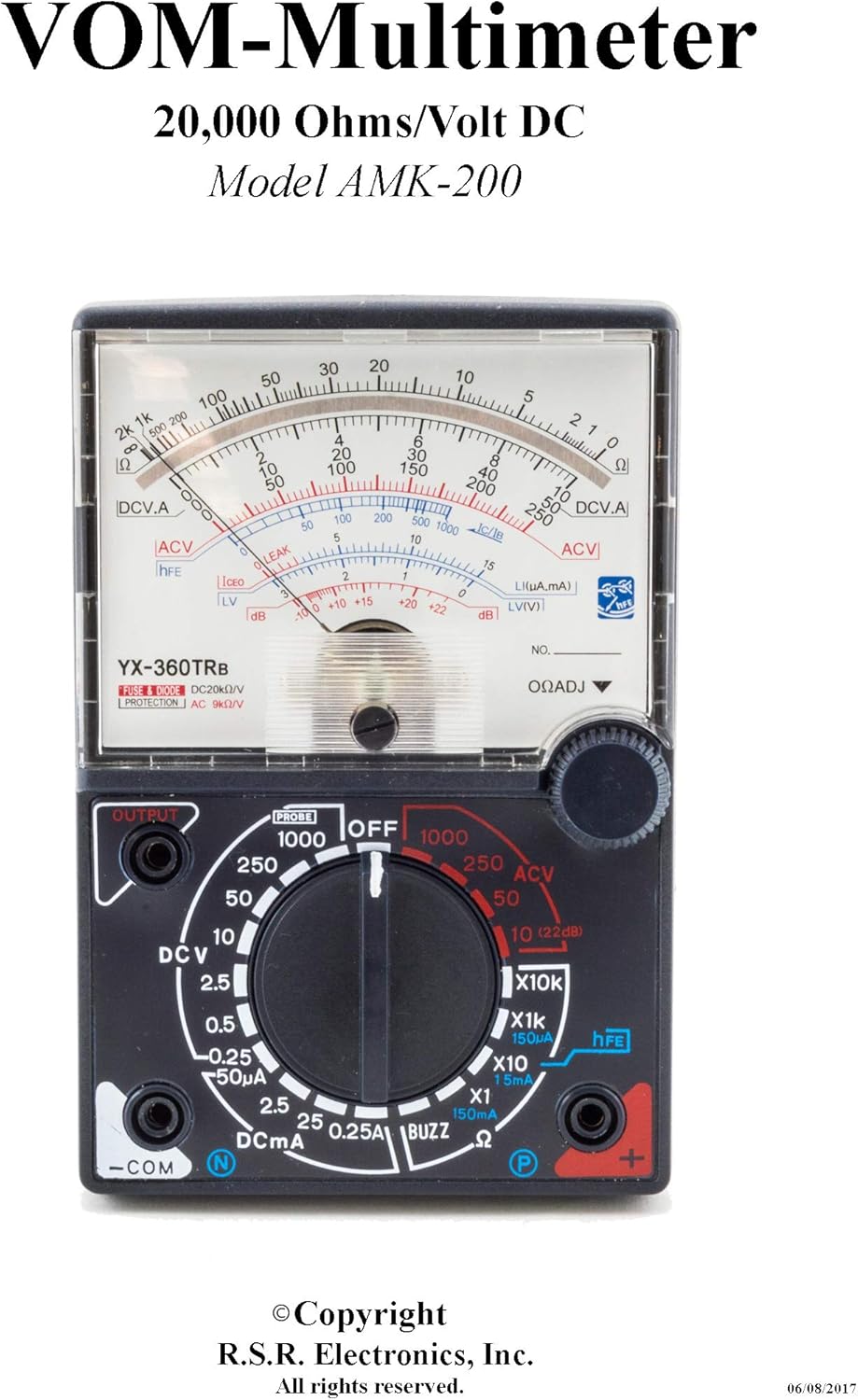
A multimeter is a versatile tool that can measure voltage, current, and resistance. It is an essential tool for troubleshooting electrical problems and testing electrical components. Multimeters come in both analog and digital varieties, with digital multimeters being more common and easier to use. When choosing a multimeter, look for one with a clear display, easy-to-use controls, and a range of measurement options.
Wire Strippers
Wire strippers are used to remove the insulation from electrical wires. They come in various sizes and shapes, but most have a set of notches for different wire gauges. When using wire strippers, be sure to use the correct notch for the wire gauge you are working with to avoid damaging the wire.
Wire Cutters
Wire cutters are used to cut electrical wires to the desired length. They come in different sizes and shapes, with some designed for cutting smaller wires and others for larger wires. When using wire cutters, be sure to make clean, straight cuts to ensure a good connection when joining wires.
Crimping Tool
A crimping tool is used to join electrical wires together using crimp connectors. Crimping creates a strong, reliable connection that is less likely to come loose over time. When using a crimping tool, be sure to use the correct size crimp connector for the wire gauge you are working with and apply firm, even pressure to create a secure connection.
Soldering Iron
A soldering iron is used to join electrical components together using solder, a metal alloy that melts at a low temperature. Soldering creates a strong, permanent connection that is ideal for delicate electronic components. When using a soldering iron, be sure to choose the correct wattage for the job and use a soldering stand to prevent burns and fires.
Heat Shrink Tubing
Heat shrink tubing is used to insulate and protect electrical connections. It is a plastic tube that shrinks when heated, creating a tight, waterproof seal around the connection. Heat shrink tubing comes in various sizes and colors, making it easy to organize and identify your wiring.
Electrical Tape
Electrical tape is another option for insulating and protecting electrical connections. It is a flexible, adhesive tape that is designed to withstand high temperatures and voltage. When using electrical tape, be sure to stretch it as you apply it to create a tight seal and overlap each layer to prevent gaps.
Circuit Breaker Finder
A circuit breaker finder is a tool that helps you identify which circuit breaker controls a particular electrical outlet or fixture. It consists of two parts: a transmitter that plugs into the outlet or fixture and a receiver that you use to scan the circuit breakers in your electrical panel. When the receiver detects the signal from the transmitter, it indicates which circuit breaker controls that outlet or fixture.
Clamp Meter
A clamp meter is a tool that measures the current flowing through a wire without requiring you to disconnect the wire. It works by clamping around the wire and measuring the magnetic field created by the current. Clamp meters are particularly useful for troubleshooting electrical problems in hard-to-reach places or where disconnecting the wire is not practical.
Voltage Tester
A voltage tester is a tool that detects the presence of voltage in an electrical circuit. It is a simple, pen-like device that you touch to the wires or terminals of an electrical component to determine if it is live. Voltage testers are an essential safety tool for any DIY electrical project, as they help prevent accidental shocks and short circuits.
Conclusion
Having the right electrical equipment is essential for any DIY project or repair. From multimeters and wire strippers to soldering irons and voltage testers, these tools help ensure the success and safety of your projects. By investing in quality electrical equipment and learning how to use it properly, you can tackle a wide range of DIY electrical projects with confidence.
FAQs
Q: Do I need all of these tools for every DIY electrical project?
A: No, the tools you need will depend on the specific project you are working on. However, having a basic set of electrical tools, such as a multimeter, wire strippers, and a voltage tester, is a good idea for any DIY enthusiast.
Q: Can I use regular scissors instead of wire cutters?
A: While regular scissors may work in a pinch, wire cutters are designed specifically for cutting electrical wires and are more likely to make clean, straight cuts that ensure a good connection.
Q: Is it safe to work on electrical projects without turning off the power?
A: No, it is never safe to work on electrical projects without turning off the power to the circuit you are working on. Always use a voltage tester to confirm that the power is off before beginning any electrical work.
Q: Can I use duct tape instead of electrical tape?
A: No, duct tape is not designed to withstand the high temperatures and voltage of electrical connections and may pose a fire hazard. Always use electrical tape or heat shrink tubing to insulate and protect electrical connections.


