


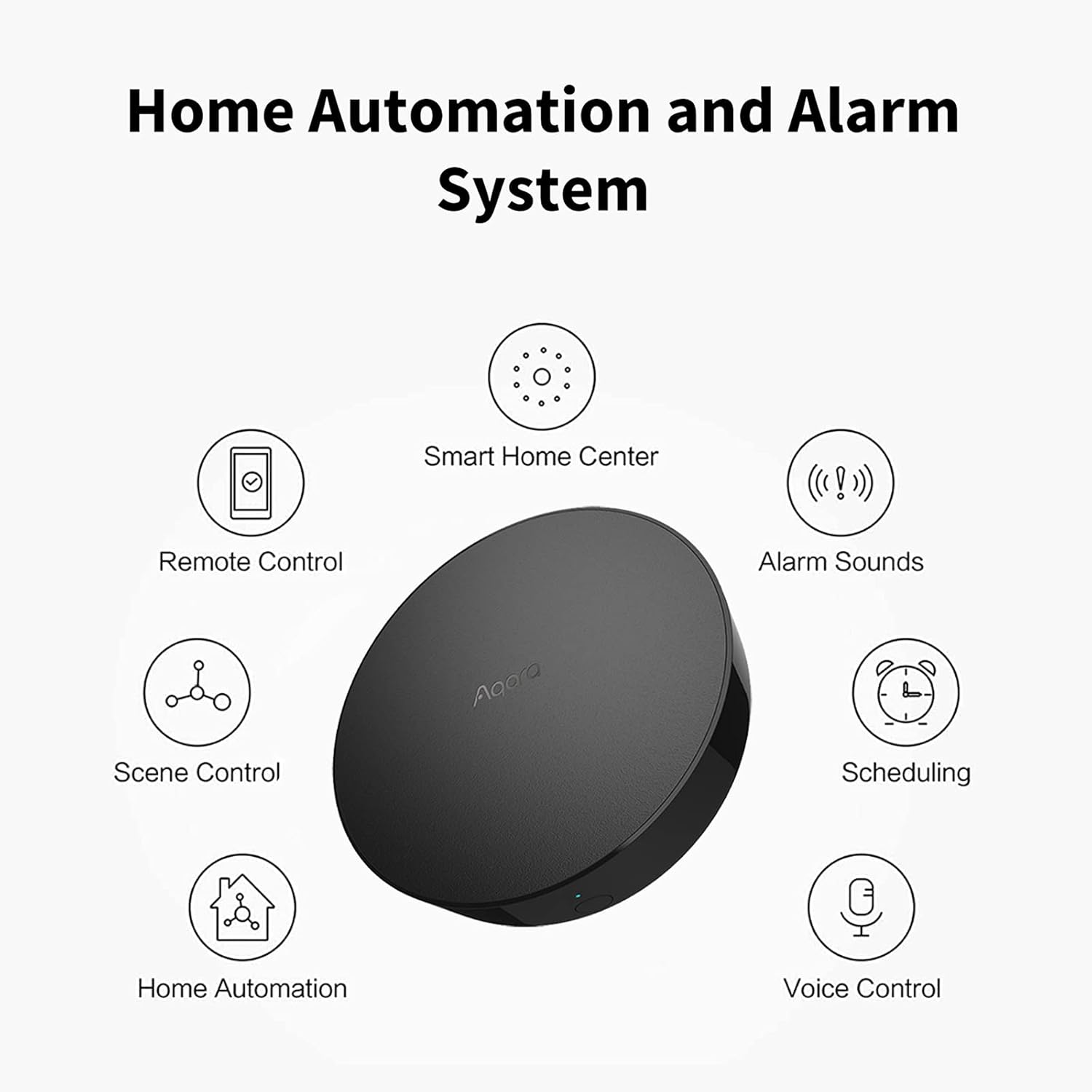


Smart home automation platforms have revolutionized the way we interact with our living spaces, providing comprehensive control over various aspects of our homes. These platforms integrate different devices and systems, allowing users to manage lighting, climate, security, and entertainment through a single interface. In this article, we will explore the benefits of smart home automation platforms and how they can enhance your living experience.
The Rise of Smart Home Automation
With the rapid advancement of technology, smart home automation has become increasingly accessible and affordable. What was once considered a luxury for the wealthy has now become a mainstream trend, with more and more homeowners embracing the convenience and efficiency that these platforms offer. The global smart home market is expected to reach $174 billion by 2025, indicating the growing demand for connected living spaces.
Key Features of Smart Home Automation Platforms
Smart home automation platforms offer a wide range of features that cater to different aspects of home management. Some of the key features include:
- Voice Control: Many platforms integrate with voice assistants like Amazon Alexa, Google Assistant, or Apple’s Siri, allowing users to control their devices using simple voice commands.
- Remote Access: Users can access and control their smart home devices remotely through mobile apps or web interfaces, providing convenience and peace of mind.
- Scenes and Routines: Platforms allow users to create custom scenes or routines that automate multiple devices based on specific triggers or schedules, such as turning off lights and adjusting the thermostat when leaving home.
- Energy Management: Smart home platforms can help optimize energy consumption by providing insights into energy usage and enabling users to control devices based on energy efficiency goals.
- Security and Safety: Integration with security systems, cameras, and sensors allows users to monitor their homes remotely and receive alerts in case of any suspicious activities or emergencies.
Popular Smart Home Automation Platforms
There are several popular smart home automation platforms available in the market, each with its own unique features and compatibilities. Some of the leading platforms include:
- Amazon Alexa: Alexa is a voice-controlled platform that works with a wide range of smart home devices, allowing users to control their homes using voice commands.
- Google Home: Google’s smart home platform integrates with various devices and allows users to control their homes using voice commands through Google Assistant.
- Apple HomeKit: HomeKit is Apple’s smart home platform that seamlessly integrates with iOS devices, enabling users to control their homes through the Home app or Siri voice commands.
- SmartThings: Developed by Samsung, SmartThings is a versatile platform that supports a wide range of devices and offers advanced automation capabilities.
- Hubitat: Hubitat is a locally controlled smart home platform that offers fast and reliable automation without relying on cloud services.
Benefits of Smart Home Automation Platforms
Smart home automation platforms offer numerous benefits that can greatly enhance your living experience. Some of the key benefits include:
- Convenience: With smart home automation, you can control various aspects of your home with ease, whether you’re at home or away. Voice commands, mobile apps, and automated routines make managing your home effortless.
- Energy Efficiency: Smart home platforms can help you optimize your energy consumption by automatically adjusting lighting, climate control, and appliances based on your preferences and schedules. This can lead to significant energy savings and reduced utility bills.
- Enhanced Security: Integration with security systems and cameras allows you to monitor your home remotely and receive real-time alerts in case of any suspicious activities. Smart locks and doorbell cameras add an extra layer of security and convenience.
- Customization: Smart home platforms offer extensive customization options, allowing you to tailor your home automation experience to your specific needs and preferences. You can create custom scenes, routines, and automations that suit your lifestyle.
- Comfort and Ambiance: With smart lighting, thermostats, and entertainment systems, you can create the perfect ambiance in your home. Whether you want to set the mood for a cozy movie night or create a vibrant atmosphere for a party, smart home automation makes it easy.
Choosing the Right Smart Home Automation Platform
When selecting a smart home automation platform, it’s essential to consider factors such as compatibility with your existing devices, ease of use, scalability, and security. Here are some tips to help you choose the right platform:
- Compatibility: Ensure that the platform you choose is compatible with the devices and systems you already have or plan to install in your home. Check for compatibility with popular brands and protocols like Zigbee, Z-Wave, and Wi-Fi.
- User Interface: Look for a platform with an intuitive and user-friendly interface. It should be easy to set up, navigate, and control your devices, even for non-technical users.
- Scalability: Consider your future needs and choose a platform that can grow with your smart home setup. It should support a wide range of devices and offer flexibility in terms of adding new devices and creating complex automations.
- Security: Ensure that the platform follows industry-standard security protocols and encrypts data transmission to protect your privacy and prevent unauthorized access to your smart home devices.
- Support and Community: Look for a platform with a strong support system and an active user community. This can be helpful in case you encounter any issues or need guidance in setting up and using the platform.
Conclusion
Smart home automation platforms have transformed the way we interact with our living spaces, offering unparalleled convenience, comfort, and control. By integrating various devices and systems, these platforms allow us to create personalized and efficient living environments that cater to our unique needs and preferences. Whether you’re looking to enhance your home’s security, optimize energy consumption, or simply enjoy the convenience of voice-controlled automation, smart home platforms have something to offer for everyone.
As the smart home industry continues to evolve, we can expect to see even more advanced features and integrations in the future. From artificial intelligence and machine learning to predictive automation and seamless multi-platform compatibility, the possibilities are endless. By embracing smart home automation, you can experience the benefits of a connected and intelligent living space that simplifies your life and enhances your overall well-being.
FAQs
Q: Are smart home automation platforms difficult to set up?
A: Most smart home platforms are designed to be user-friendly and easy to set up. Many platforms offer step-by-step guides and intuitive interfaces that guide you through the setup process. However, the complexity of the setup may vary depending on the number and types of devices you want to integrate.
Q: Can I control my smart home devices when I’m away from home?
A: Yes, most smart home platforms allow you to control your devices remotely through mobile apps or web interfaces. As long as you have an internet connection, you can access and manage your smart home from anywhere in the world.
Q: Are smart home platforms secure?
A: Reputable smart home platforms prioritize security and employ industry-standard encryption and authentication measures to protect your data and prevent unauthorized access. However, it’s essential to follow best practices like using strong passwords, keeping your devices updated, and being cautious when granting access to third-party apps or services.
Q: Can I use multiple smart home platforms together?
A: While it’s possible to use multiple smart home platforms simultaneously, it can lead to a fragmented and less seamless experience. It’s generally recommended to choose a single platform that meets your needs and stick with it for optimal compatibility and ease of use.
Q: Do I need to replace all my existing devices to create a smart home?
A: Not necessarily. Many smart home platforms are compatible with a wide range of devices, including older or non-smart devices, through the use of smart plugs, switches, or hubs. You can start by automating a few key areas of your home and gradually expand your setup over time.