


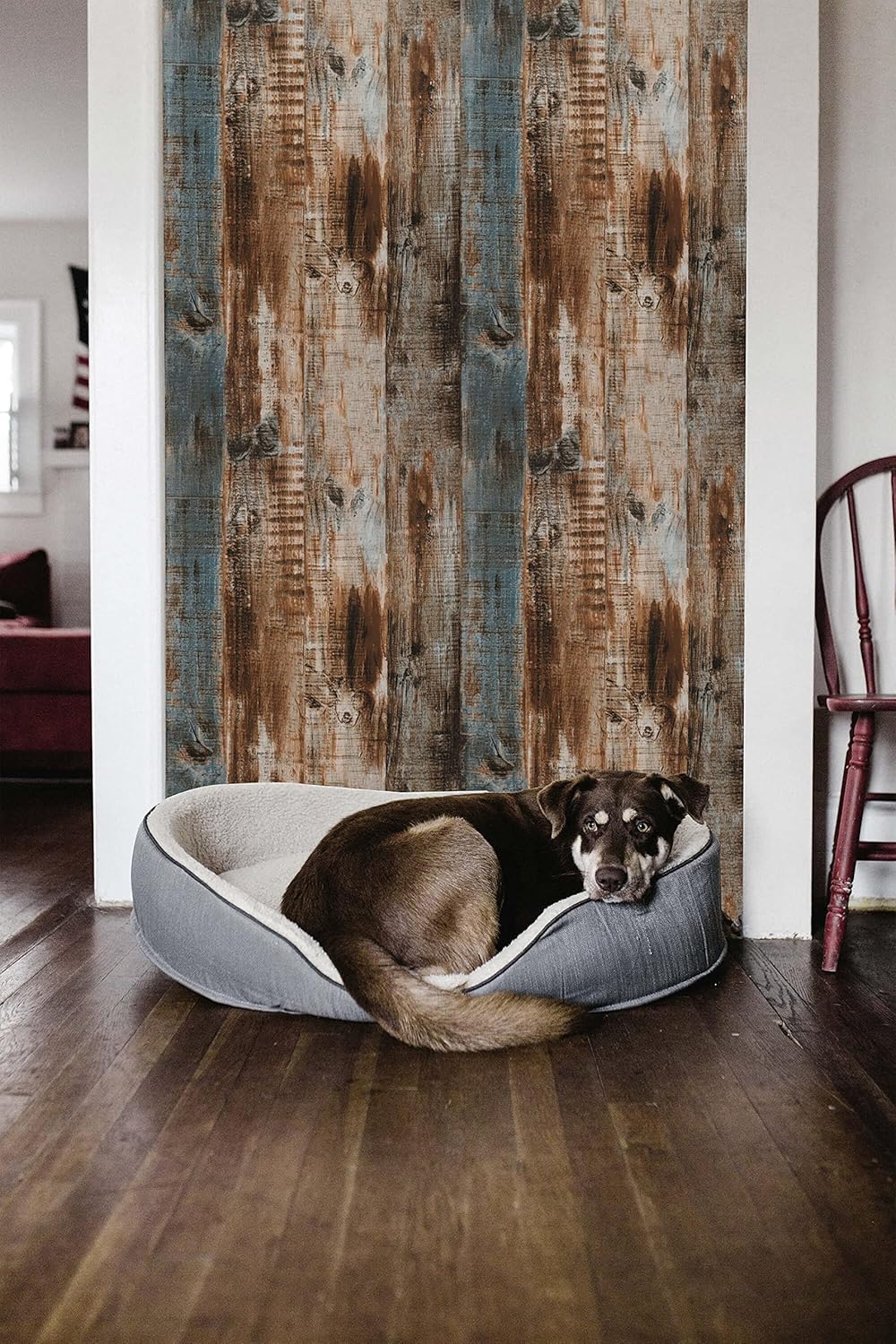

Creating a farmhouse-inspired look on your walls can add a touch of rustic charm and warmth to your home. With the right techniques and materials, you can achieve this popular style without the need for expensive renovations. In this article, we’ll guide you through the process of painting a wall with a farmhouse look, step by step.
Step 1: Prepare the Wall
Before you begin painting, it’s essential to prepare the wall properly. Start by removing any nails, screws, or other protruding objects. Fill in any holes or cracks with spackling compound, and sand the surface smooth once it dries. Clean the wall thoroughly with a damp cloth to remove any dust, dirt, or grease.
Step 2: Choose Your Paint Colors
Farmhouse-style walls often feature neutral colors like white, cream, beige, or light gray. These colors create a bright, airy atmosphere and provide a perfect backdrop for rustic decor. Consider using a matte or eggshell finish for a more authentic, aged look.
Step 3: Apply the Base Coat
Apply a base coat of your chosen color using a roller or brush. Ensure that you cover the entire wall evenly and allow it to dry completely before proceeding to the next step. You may need to apply a second coat if the first one doesn’t provide sufficient coverage.
Step 4: Distress the Wall
To create a distressed, farmhouse look, you’ll need to add some texture and depth to the wall. There are several ways to achieve this effect:
a) Dry brushing: Dip a dry brush into a slightly darker or contrasting paint color and remove excess paint by dabbing it on a cloth. Lightly drag the brush over the wall in a criss-cross pattern, allowing some of the base coat to show through.
b) Sponge painting: Dab a damp sponge into a lighter or darker paint color and remove excess paint. Gently press the sponge onto the wall in a random pattern, creating a mottled, aged appearance.
c) Scrape technique: After applying the base coat, cover the wall with a second coat in a different color. While the second coat is still wet, use a putty knife or scraper to gently remove some of the paint, revealing the base coat underneath.
Step 5: Add Wood Planks (Optional)
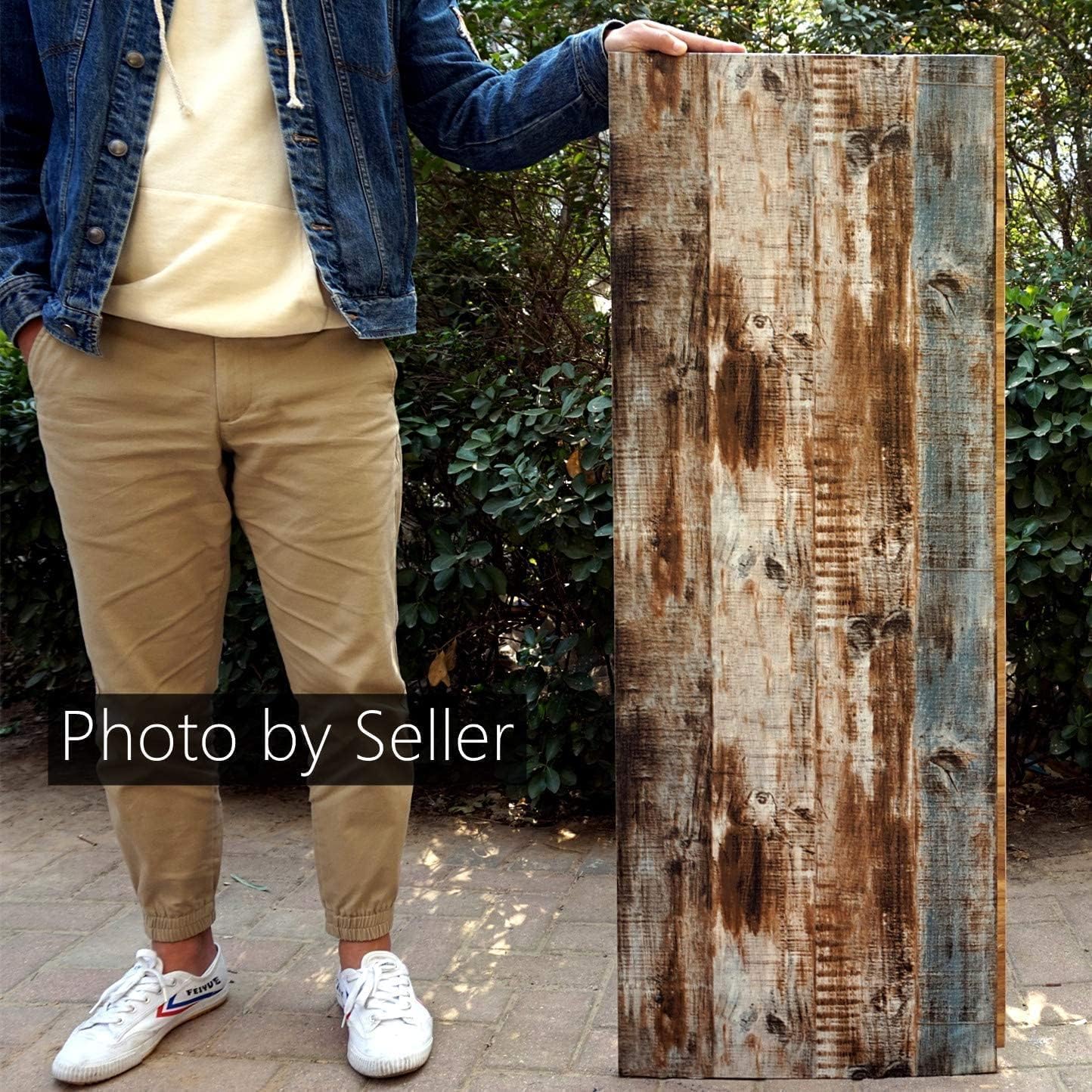
For an even more authentic farmhouse look, consider adding wood planks to your wall. You can use reclaimed barn wood, shiplap, or even simple plywood cut into strips. Secure the planks to the wall using a nail gun or adhesive, and paint them to match your desired color scheme. Alternatively, leave them in their natural state for a more rustic appearance.
Step 6: Finish and Decorate
Once you’ve achieved the desired level of distressing and texture, allow the wall to dry completely. Seal the surface with a clear, matte sealer to protect the paint and enhance the longevity of your farmhouse-style wall. Finally, add decorative elements like floating shelves, vintage signs, or wrought iron accents to complete the rustic look.
Conclusion
Creating a farmhouse-inspired wall is a simple and affordable way to add character and warmth to your home. By following these steps and experimenting with different techniques, you can achieve a beautiful, rustic look that complements your personal style. Remember to take your time, be creative, and enjoy the process of transforming your space.
Frequently Asked Questions (FAQs)
Q: Can I use any type of paint for a farmhouse-style wall?
A: Yes, you can use various types of paint, but it’s best to choose a matte or eggshell finish for a more authentic, aged appearance.
Q: Do I need to use a primer before painting?
A: It depends on the condition of your wall and the type of paint you’re using. If the wall is in good condition and you’re using a paint-and-primer-in-one product, you may not need a separate primer. However, if the wall is damaged or stained, using a primer can help ensure better coverage and adhesion.
Q: How long does it take for the paint to dry between coats?
A: Drying times vary depending on the type of paint and the humidity in your area. Generally, allow at least 2-4 hours for the paint to dry between coats.
Q: Can I create a farmhouse-style look on textured walls?
A: Yes, you can still achieve a farmhouse-inspired look on textured walls. The texture may affect the appearance of the distressing techniques, but it can also add to the overall rustic charm.
Q: What is the best way to clean and maintain a farmhouse-style wall?
A: To clean your farmhouse-style wall, use a soft, damp cloth or sponge to gently remove dust and dirt. Avoid using harsh chemicals or abrasive materials that could damage the paint or sealer. Regular dusting and occasional spot cleaning should keep your wall looking its best.