

Creating a coastal look on your walls can transform your space into a serene and relaxing oasis. With the right techniques and colors, you can bring the beauty of the beach into your home. In this article, we will guide you through the process of painting a wall with a coastal look.
Step 1: Choose Your Color Palette
The first step in creating a coastal look is selecting the right color palette. Coastal colors are typically inspired by the natural elements found at the beach, such as the sky, sand, and sea. Some popular coastal colors include:
- Soft blues
- Aqua
- Turquoise
- Seafoam green
- Sandy beige
- White
Consider using a combination of these colors to create a layered and textured look. You can also incorporate accents of coral or navy for a bolder statement.
Step 2: Prepare the Wall
Before you begin painting, it’s essential to prepare the wall properly. Start by removing any furniture or decor from the area. Cover the floor with a drop cloth to protect it from paint spills. Clean the wall with a damp cloth to remove any dirt, dust, or cobwebs. If there are any holes or cracks, fill them with spackling compound and sand the area smooth once dry.
Step 3: Apply the Base Coat
Once the wall is prepped, apply a base coat of paint in your chosen coastal color. Use a high-quality paint roller for even coverage. Start by painting along the edges of the wall with a brush, then use the roller to fill in the center. Apply a second coat if needed, allowing the first coat to dry completely before applying the next.
Step 4: Add Texture
To create a coastal look, you’ll want to add some texture to the wall. One way to do this is by using a sea sponge. Dip the sponge into a slightly lighter or darker shade of your base color and dab it onto the wall in a random pattern. This will create a mottled, organic look reminiscent of the ocean.
Another technique is to use a glaze. Mix a clear glaze with a small amount of your accent color and apply it to the wall using a brush or rag. Work in small sections, blending the glaze with the base color to create a soft, hazy effect.
Step 5: Add Accents
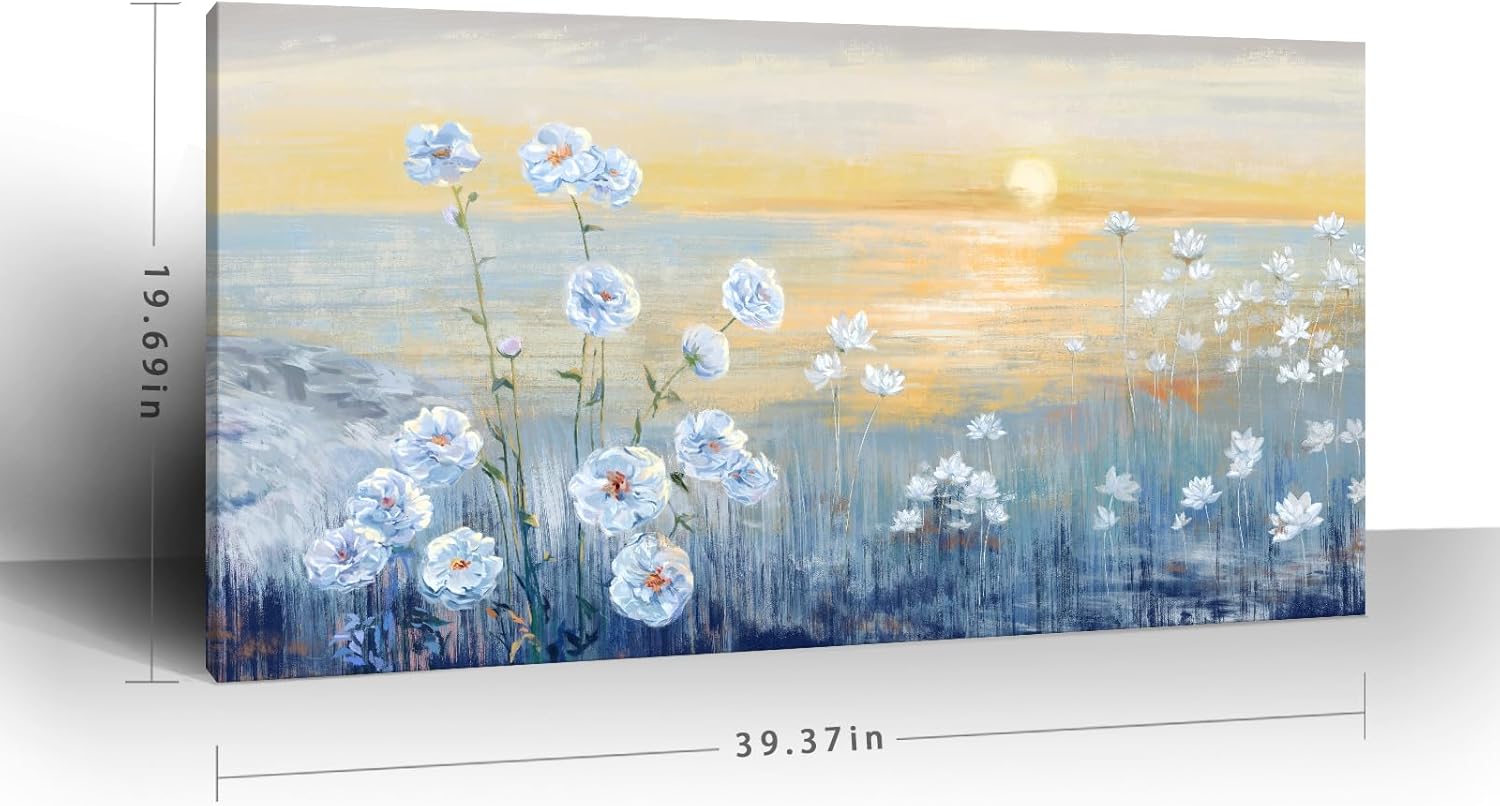
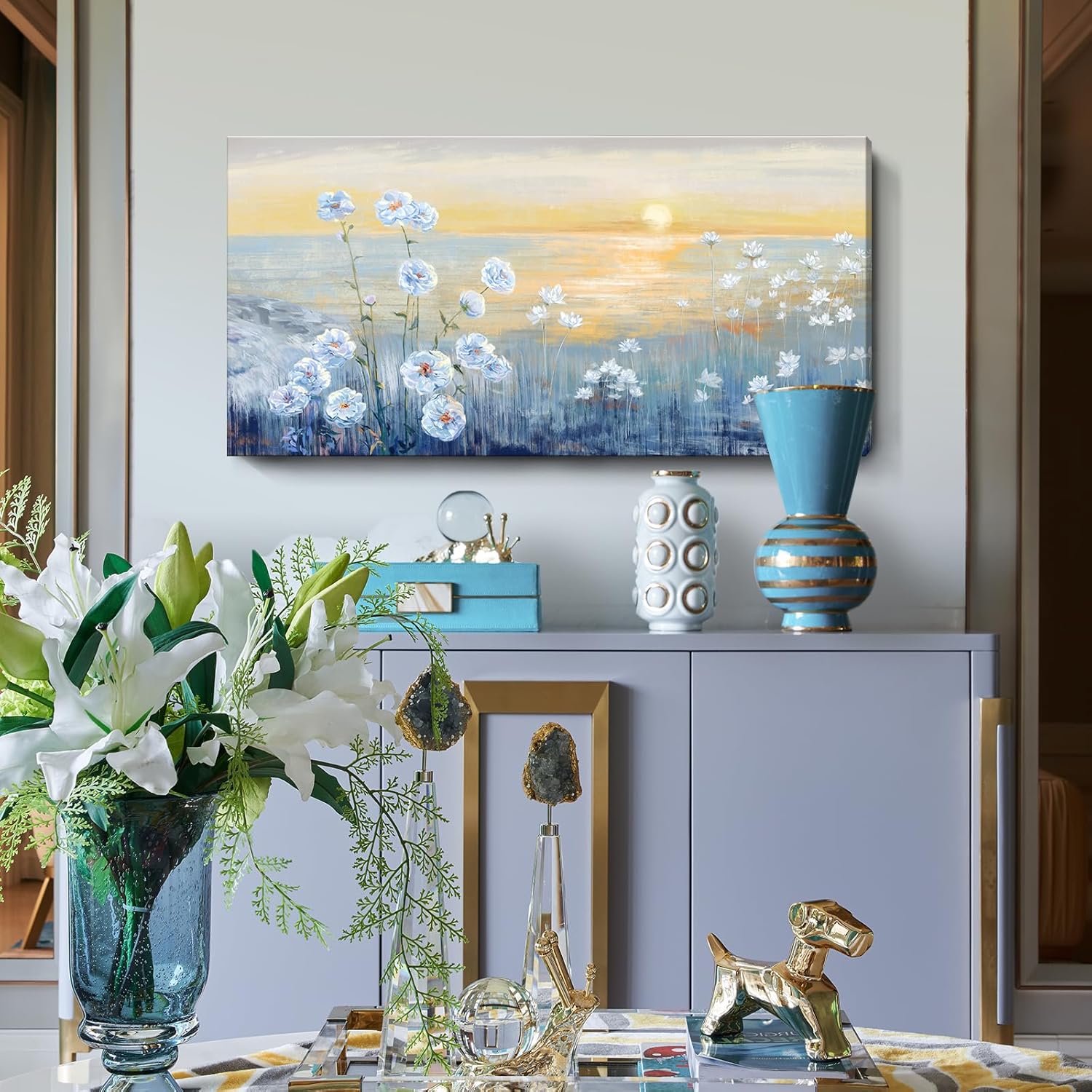
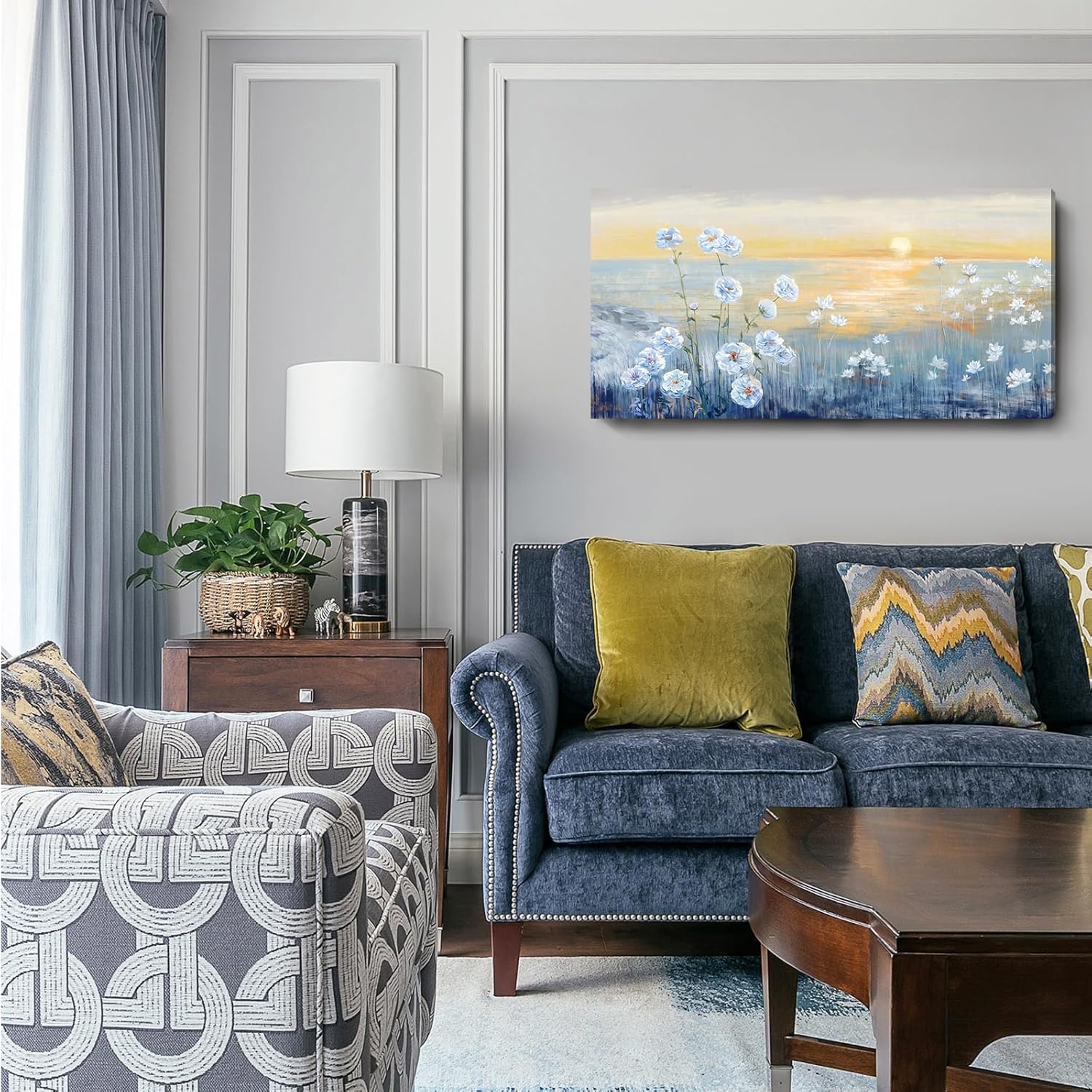
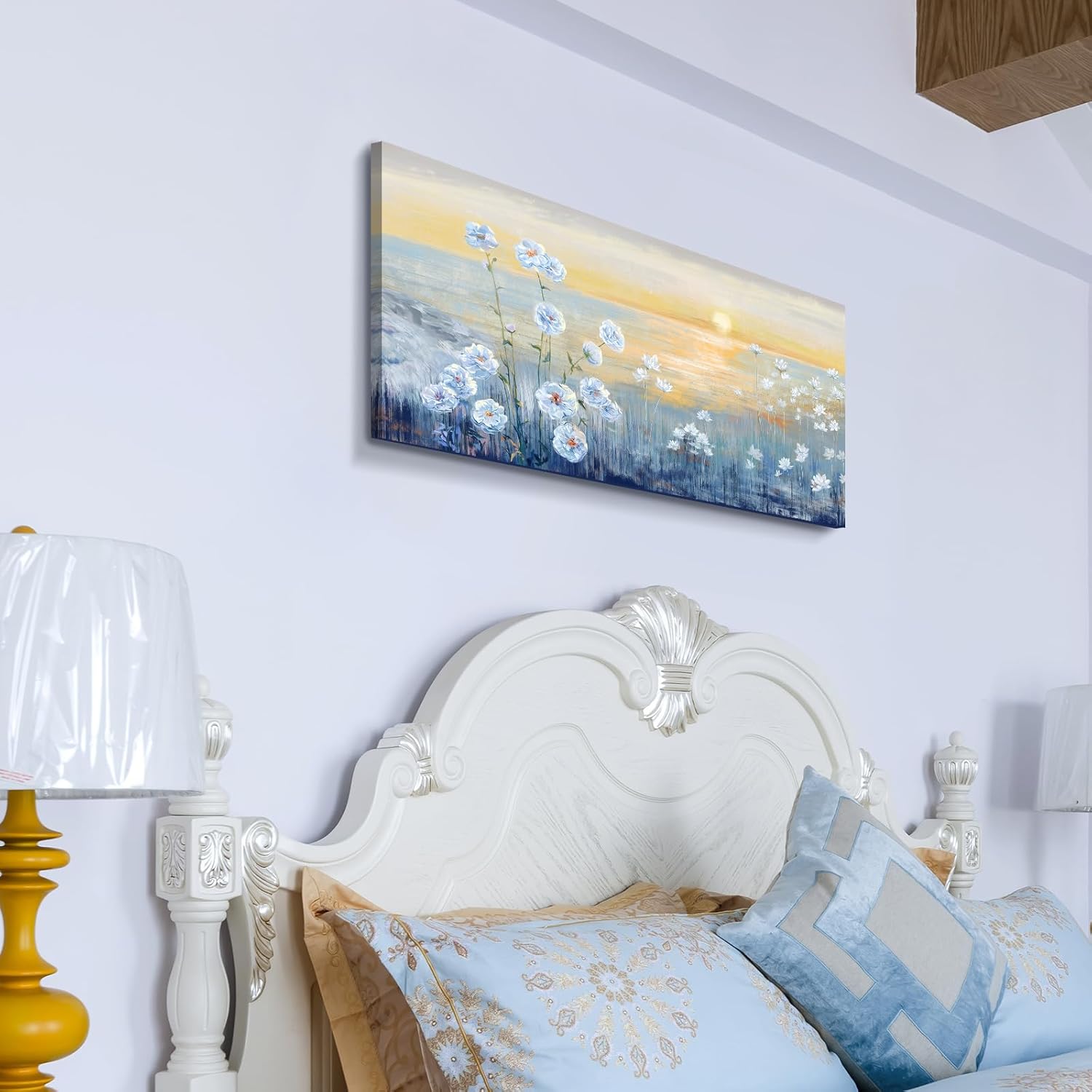
To complete the coastal look, add some decorative accents to the wall. Consider hanging a large piece of driftwood or a collection of seashells. You can also create a gallery wall with framed prints of beach scenes or nautical elements like anchors or sailboats.
Another option is to use stencils to create a pattern on the wall. Choose a stencil with a coastal motif, such as seashells, starfish, or waves. Use a contrasting color to stencil the design onto the wall, creating a focal point in the room.
Step 6: Protect Your Work
Once you’ve finished painting and decorating, protect your work by applying a clear topcoat. This will help to seal the paint and prevent fading or damage over time. Use a water-based polyurethane for easy application and cleanup.
Conclusion
Painting a wall with a coastal look is a great way to bring the relaxing vibe of the beach into your home. By choosing the right colors, adding texture, and incorporating decorative accents, you can create a space that feels like a seaside retreat. Remember to take your time and enjoy the process, and don’t be afraid to get creative with your design choices.
FAQs
Q: What are some other coastal-inspired decor elements I can add to the room?
A: In addition to the painted wall, consider adding elements like a jute rug, white slipcovered furniture, and wicker or rattan accents. Displaying framed photos of beach vacations or coastal landscapes can also enhance the theme.
Q: Can I use this technique in a bathroom?
A: Yes, a coastal-inspired wall can work well in a bathroom. Just be sure to use a paint that is suitable for high-humidity areas and consider adding a protective topcoat to prevent moisture damage.
Q: How can I make my coastal-inspired room feel more modern?
A: To give your coastal-inspired room a more modern feel, try incorporating sleek, minimalist furniture and fixtures. Use a limited color palette with mostly neutral tones and add pops of color with a few carefully chosen accessories. Incorporating modern art or lighting fixtures can also help to update the look.