




When it comes to DIY projects and home improvements, a power drill is an essential tool for every beginner. However, with so many options available in the market, choosing the right power drill can be overwhelming. This article will guide you through the key factors to consider when selecting a power drill that best suits your needs.
Understanding Power Drill Types
Before diving into the specifics, it’s crucial to understand the different types of power drills available:
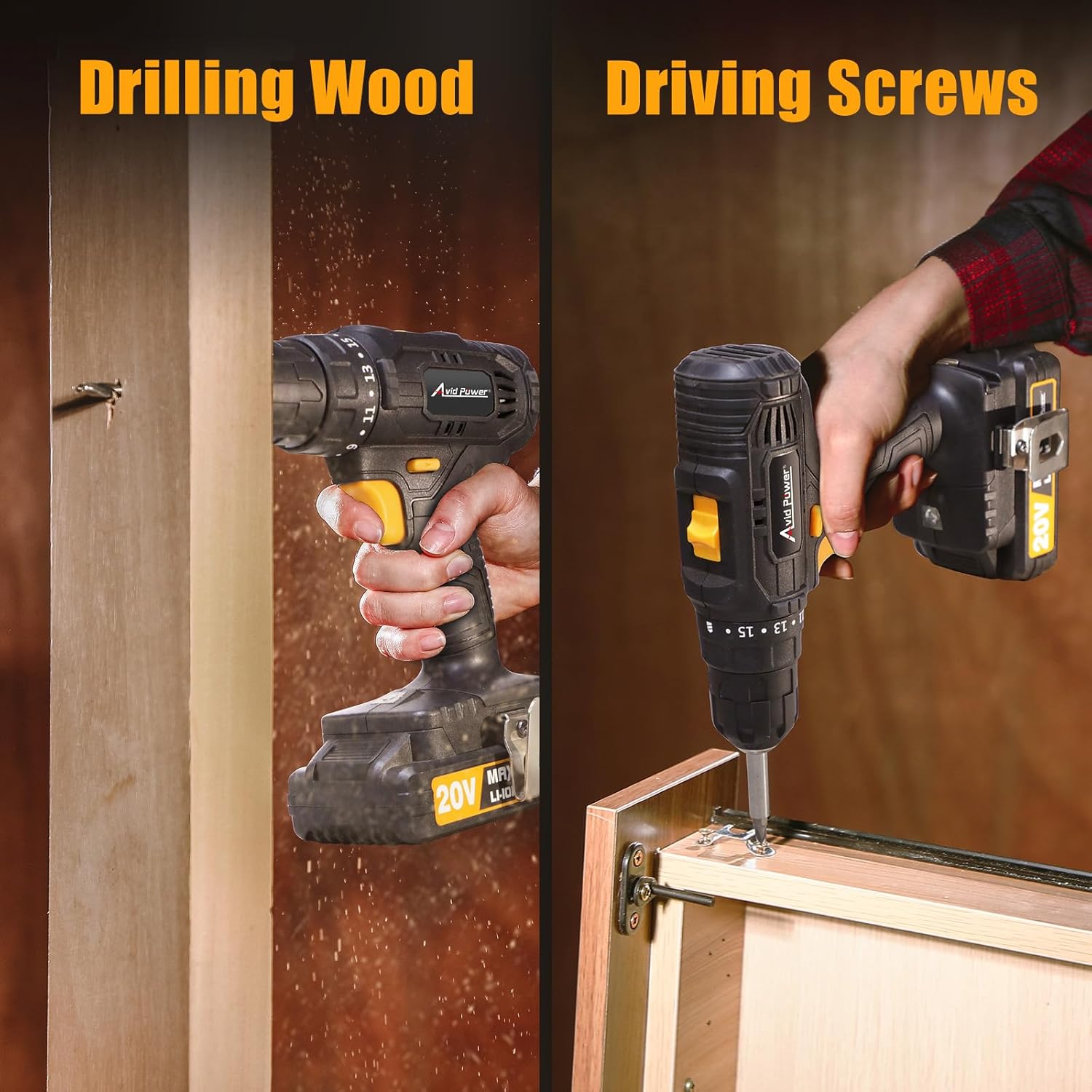
- Drill Drivers: These versatile drills are suitable for most DIY projects, as they can drill holes and drive screws.
- Hammer Drills: Designed for drilling into harder materials like concrete or brick, hammer drills combine rotation with a hammering action.
- Impact Drivers: These tools are ideal for driving large screws or bolts, as they provide high rotational torque.
- Cordless Drills: Offering greater mobility and convenience, cordless drills run on rechargeable batteries.
- Corded Drills: These drills provide consistent power and are suitable for prolonged use, but require a nearby electrical outlet.
Key Factors to Consider
Power Source
Decide whether you want a corded or cordless drill. Cordless drills offer more flexibility and are suitable for most DIY projects. However, if you require more power for heavy-duty tasks, a corded drill may be a better choice.
Chuck Size
The chuck is the part of the drill that holds the drill bit. The most common chuck sizes are 1/4″, 3/8″, and 1/2″. For most DIY projects, a 3/8″ chuck is sufficient, while a 1/2″ chuck is better for heavier applications.
Speed and Torque
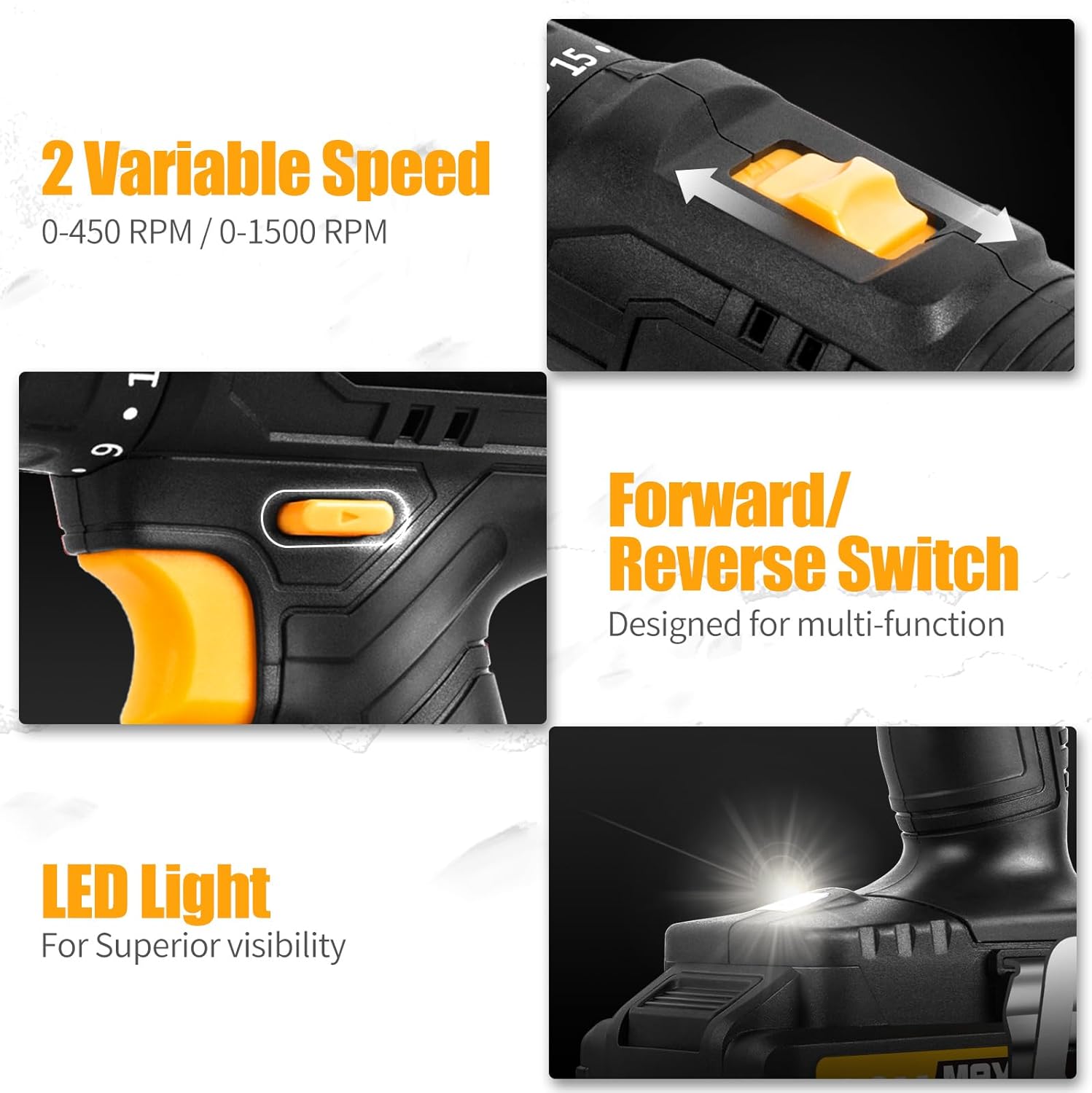
Drills come with varying speed and torque settings. Higher speed is suitable for drilling into softer materials, while lower speed and higher torque are better for driving screws and drilling into harder materials. Look for a drill with variable speed control and adjustable torque settings for greater versatility.
Battery Voltage (for cordless drills)
For cordless drills, higher battery voltage typically means more power. However, higher voltage also means a heavier drill. For most DIY projects, a 12V or 18V drill is sufficient.
Comfort and Ergonomics
Consider the weight, size, and grip of the drill. Ensure that the drill feels comfortable to hold and use, especially if you’ll be using it for extended periods.
Brand and Price
Stick to reputable brands known for producing quality power tools. While it’s tempting to opt for the cheapest option, investing in a quality drill from a trusted brand will likely save you money in the long run.
Conclusion
Choosing the right power drill for your DIY projects doesn’t have to be complicated. By understanding the different types of drills and considering factors such as power source, chuck size, speed, torque, comfort, brand, and price, you can find the perfect drill to suit your needs. Remember, investing in a quality drill from a reputable brand will provide you with a reliable tool that can handle a wide range of projects for years to come.
Frequently Asked Questions (FAQs)
Q: What is the best drill for a beginner?
A: For most beginners, a cordless drill driver with a 3/8″ chuck and adjustable speed and torque settings is a good choice. This type of drill offers versatility and ease of use for a wide range of DIY projects.
Q: How much should I spend on a power drill?
A: The price of power drills can vary greatly depending on the brand, features, and quality. For a reliable, entry-level drill from a reputable brand, expect to spend between $50 to $100. More advanced models with additional features can cost $100 to $300 or more.
Q: What is the difference between a drill driver and an impact driver?
A: While both tools can drive screws, an impact driver provides higher rotational torque, making it better suited for driving large screws or bolts. A drill driver is more versatile, as it can also drill holes in various materials.
Q: Can I use a hammer drill for regular drilling?
A: Yes, most hammer drills have a switch that allows you to turn off the hammering action, enabling you to use the tool for regular drilling. However, hammer drills are typically heavier and more expensive than regular drill drivers, so they may not be the best choice if you don’t need the hammering functionality.