
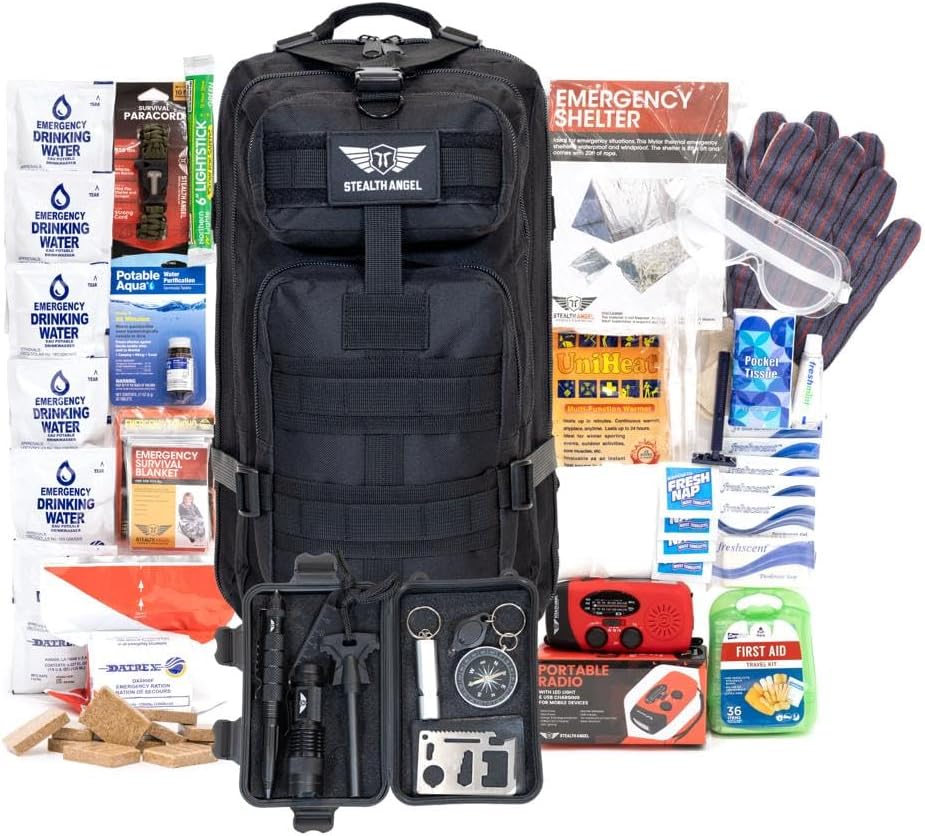


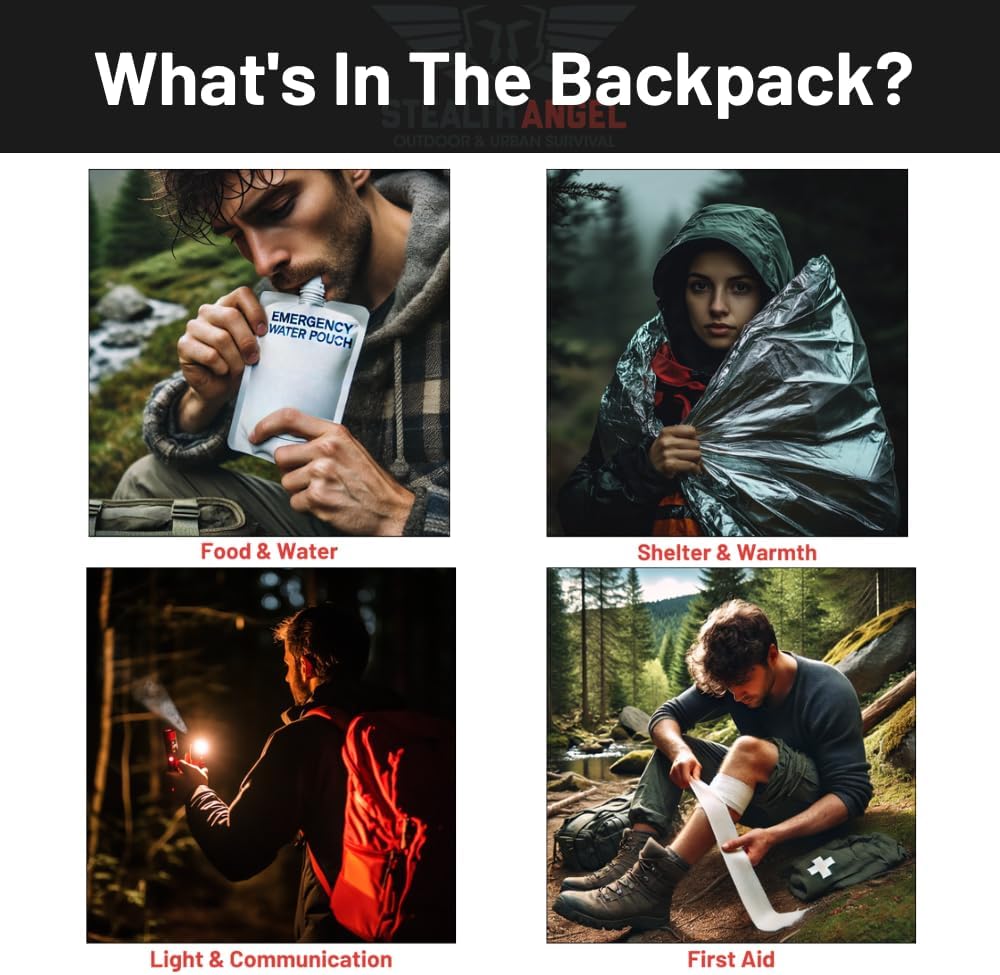


Emergency survival kits are essential for anyone who wants to be prepared for unexpected situations, whether it’s a natural disaster, a power outage, or getting lost in the wilderness. However, not all survival kits are created equal, and it’s important to tailor your kit to the specific climate and environment you’ll be facing. In this article, we’ll discuss the key components of emergency survival kits for different climates, including hot and dry, cold and wet, and temperate regions.
Hot and Dry Climates
In hot and dry climates, such as deserts or arid regions, the primary concerns are dehydration, heat exhaustion, and sun exposure. Your emergency survival kit should include:
- Water: At least one gallon per person per day, preferably more
- Water purification tablets or a portable water filter
- Electrolyte tablets or powder to replace lost minerals
- Lightweight, loose-fitting clothing to protect against the sun and heat
- A wide-brimmed hat and sunglasses
- High-SPF sunscreen
- An emergency shelter, such as a tarp or reflective blanket, to provide shade
- A flashlight and extra batteries
- A whistle for signaling for help
- A multi-tool or knife
- A compass and map of the area
- Energy-dense, non-perishable food, such as energy bars or dried fruits and nuts
- A first-aid kit with supplies for treating heat-related illnesses
Cold and Wet Climates
In cold and wet climates, such as mountains or forests, the primary concerns are hypothermia, frostbite, and getting lost. Your emergency survival kit should include:
- Warm, waterproof clothing, such as insulated jackets, pants, and boots
- Extra layers, such as thermal underwear and wool socks
- A warm hat and gloves
- An emergency shelter, such as a tent or bivy sack
- A sleeping bag rated for cold temperatures
- A portable stove and fuel for melting snow and cooking food
- High-calorie, non-perishable food, such as freeze-dried meals or canned goods
- A headlamp and extra batteries
- A whistle for signaling for help
- A multi-tool or knife
- A compass and map of the area
- A first-aid kit with supplies for treating cold-related injuries
- Waterproof matches or a windproof lighter
- Hand and foot warmers
Temperate Climates
In temperate climates, such as coastal regions or forests, the primary concerns are getting lost, exposure to the elements, and potential encounters with wildlife. Your emergency survival kit should include:
- Water and water purification tablets or a portable water filter
- Layered clothing, including a waterproof jacket and pants
- An emergency shelter, such as a tent or tarp
- A sleeping bag rated for the expected temperature range
- A portable stove and fuel for cooking food
- Non-perishable food, such as energy bars or dehydrated meals
- A flashlight or headlamp and extra batteries
- A whistle for signaling for help
- A multi-tool or knife
- A compass and map of the area
- A first-aid kit with supplies for treating common injuries and illnesses
- Insect repellent and a mosquito net
- Pepper spray or bear spray for protection against wildlife
Conclusion
No matter where you live or travel, having an emergency survival kit tailored to your specific climate is essential for staying safe and prepared. By including the right gear and supplies, you can increase your chances of surviving and thriving in any emergency situation. Remember to regularly check and update your kit, and make sure everyone in your group knows how to use the equipment and follow your emergency plan.
Frequently Asked Questions
Q: How often should I update my emergency survival kit?
A: You should check and update your kit at least once a year, or whenever you replace any of the components. Make sure to check expiration dates on food, water, and medications, and replace them as needed.
Q: Can I use the same kit for different climates?
A: While some components, such as a multi-tool or first-aid kit, can be used in any climate, it’s best to tailor your kit to the specific environment you’ll be in. This ensures that you have the right gear and supplies to handle the unique challenges of each climate.
Q: How much water should I include in my kit?
A: The general rule is to have at least one gallon of water per person per day. However, in hot and dry climates, you may need more to stay hydrated. It’s also a good idea to include water purification tablets or a portable water filter in case you need to source water from the environment.
Q: What should I do if I get lost or stranded?
A: If you get lost or stranded, the most important thing is to stay calm and avoid panic. Use your map and compass to try to determine your location, and if possible, stay put and wait for help to arrive. Use your whistle to signal for help, and if you must move, leave a trail or markers to help rescuers find you.