
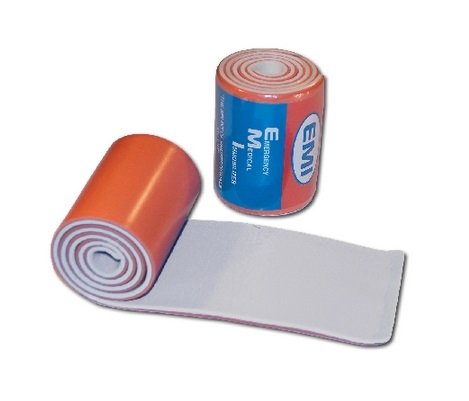
Emergency medical supplies are essential for treating common injuries that can occur in various settings, such as at home, work, or during outdoor activities. Having the right supplies on hand can help prevent further complications and promote faster healing. This article will discuss the essential emergency medical supplies for common injuries and provide a comprehensive guide on how to use them effectively.
Essential Emergency Medical Supplies for Common Injuries
- Adhesive bandages: These are useful for covering minor cuts, scrapes, and wounds, protecting them from dirt and bacteria. Keep a variety of sizes on hand to suit different wound sizes.
- Sterile gauze pads and rolls: Gauze is essential for covering larger wounds, controlling bleeding, and creating makeshift bandages or slings. Have a selection of different sizes and shapes, including rolls and pads.
- Antiseptic wipes and solutions: These are crucial for cleaning wounds and preventing infection. Common antiseptic solutions include hydrogen peroxide, isopropyl alcohol, and iodine.
- Antibiotic ointment: This helps prevent infection in minor cuts, scrapes, and burns. Common antibiotic ointments include Neosporin and Polysporin.
- Pain relief medication: Over-the-counter pain relievers like ibuprofen, acetaminophen, and aspirin can help manage pain and inflammation associated with common injuries.
- Instant cold packs: These are useful for reducing swelling and pain in sprains, strains, and bruises. They are activated by squeezing or shaking the pack, making them convenient for on-the-go use.
- Elastic bandages: Also known as ACE bandages, these are used to provide compression and support for sprains, strains, and other joint injuries.
- Tweezers and scissors: These tools are essential for removing splinters, cutting bandages, and trimming adhesive tape.
- Disposable gloves: Wearing gloves helps prevent the spread of infection when treating wounds and handling bodily fluids.
- First aid manual or quick reference guide: Having a guide on hand can provide valuable information on how to treat various injuries and when to seek professional medical help.
Treating Common Injuries with Emergency Medical Supplies
Here are some guidelines for treating common injuries using the emergency medical supplies listed above:
- Cuts and scrapes: Clean the wound with antiseptic wipes or solution, apply antibiotic ointment, and cover with an adhesive bandage or gauze pad, depending on the size of the wound.
- Burns: For minor burns, cool the affected area with cold water, apply antibiotic ointment, and cover with a sterile gauze pad or adhesive bandage.
- Sprains and strains: Use the RICE method (Rest, Ice, Compression, Elevation). Apply an instant cold pack to the injured area, wrap with an elastic bandage for compression, and elevate the injured limb above heart level when possible.
- Bruises: Apply an instant cold pack to the affected area to reduce swelling and pain. If necessary, take over-the-counter pain relief medication as directed.
- Splinters: Use tweezers to gently remove the splinter, clean the area with antiseptic solution, and apply an adhesive bandage if needed.
Conclusion
Having a well-stocked emergency medical supply kit is crucial for effectively treating common injuries. By keeping the essential supplies listed above on hand and familiarizing yourself with proper treatment techniques, you can provide prompt and appropriate care for minor injuries, prevent complications, and promote faster healing. Remember to regularly check and update your emergency medical supplies to ensure they are in good condition and have not expired. In cases of severe injuries or when in doubt, always seek professional medical help.
FAQs
- Q: How often should I replace the items in my emergency medical supply kit?
- A: Check your kit regularly and replace items as they expire or become damaged. A good rule of thumb is to review and update your kit every 6-12 months.
- Q: Can I use household items instead of dedicated emergency medical supplies?
- A: While some household items may work in a pinch, it is best to use dedicated medical supplies to ensure proper sterilization and effectiveness. Using improper supplies can lead to infection or worsen the injury.
- Q: Should I include prescription medications in my emergency medical supply kit?
- A: If you or a family member require prescription medications, it is a good idea to include a small supply in your kit. However, make sure to keep them in their original containers, clearly labeled, and check expiration dates regularly.
- Q: What should I do if an injury is more severe than I can treat with my emergency medical supplies?
- A: If an injury is severe or you are unsure how to treat it, seek professional medical help immediately. Call emergency services or visit the nearest urgent care facility or hospital.