





Setting up a home theater system can be an exciting project for any homeowner. However, to ensure the best possible experience, it is essential to have the right electrical equipment. In this article, we will discuss the key components needed for installing a home theater system.
Surge Protectors
One of the most important pieces of electrical equipment for any home theater system is a surge protector. Surge protectors help to safeguard your expensive electronic devices from power surges and spikes that can cause damage. When selecting a surge protector for your home theater system, look for one with a high joule rating and multiple outlets to accommodate all of your components.
Power Conditioners
In addition to surge protectors, power conditioners can also help to improve the performance of your home theater system. Power conditioners work by filtering out noise and interference from your power supply, providing clean and stable power to your devices. This can result in better sound and picture quality, as well as increased longevity for your equipment.
Uninterruptible Power Supplies (UPS)
An uninterruptible power supply (UPS) is another important component to consider for your home theater system. A UPS provides backup power in the event of a power outage, allowing you to safely shut down your equipment and avoid potential data loss or damage. This is particularly important for components like media servers or gaming consoles that may be vulnerable to data corruption during a sudden power loss.
Power Strips
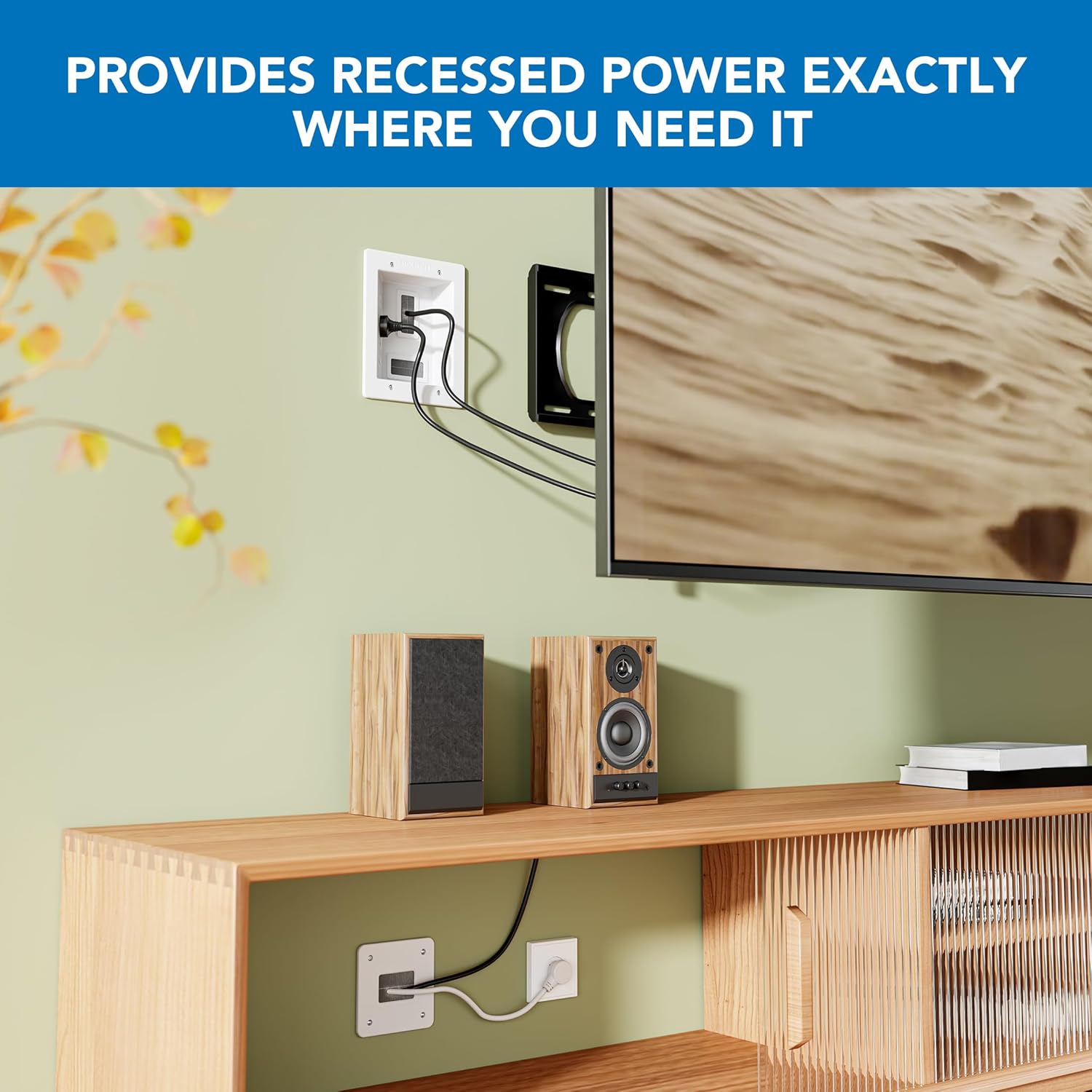
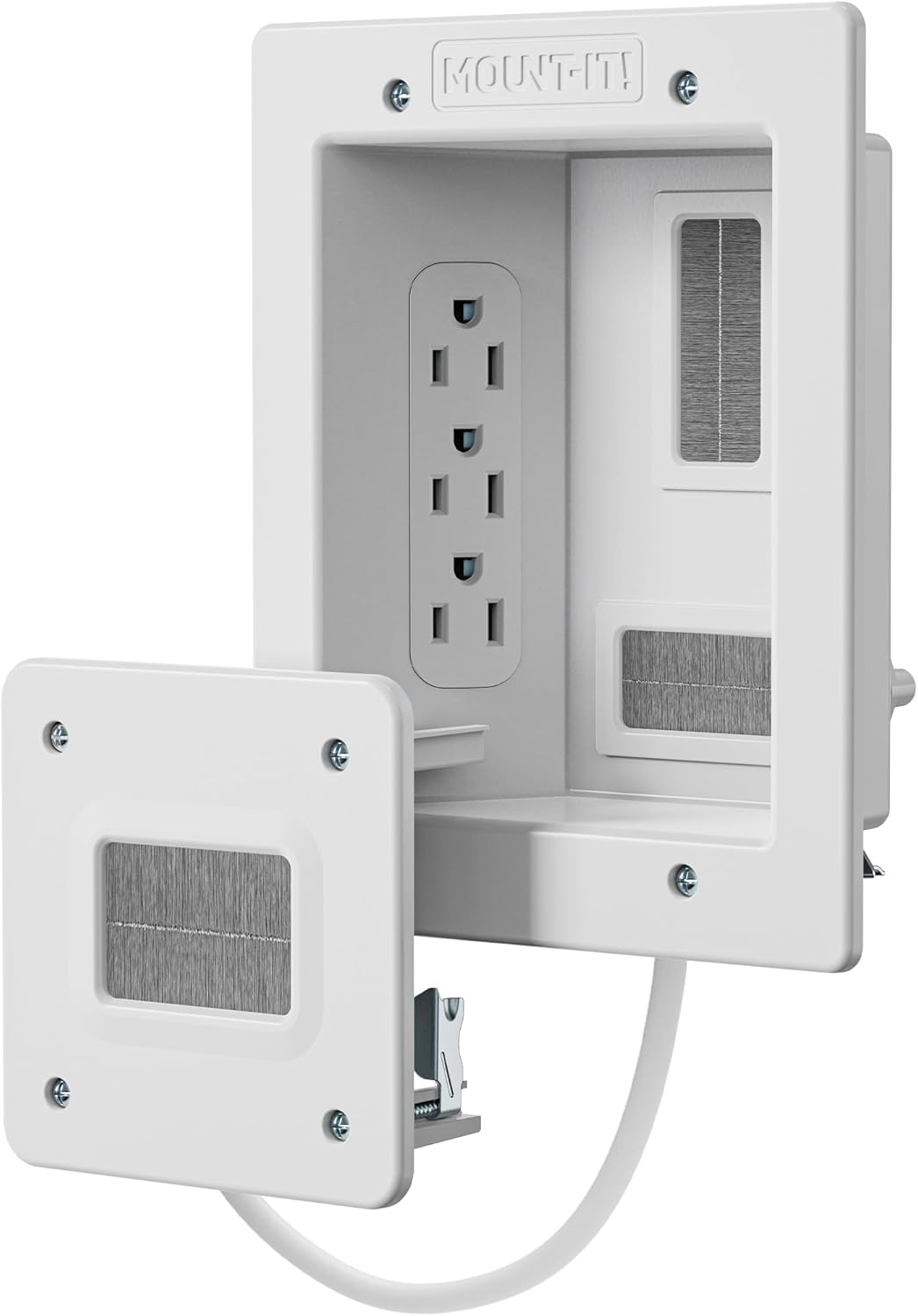
While power strips may seem like a basic piece of equipment, they play an important role in organizing and managing the power cords for your home theater system. Look for power strips with built-in surge protection and multiple outlets to keep your setup tidy and protected.
Cables and Connectors
Investing in high-quality cables and connectors is crucial for ensuring the best possible performance from your home theater system. When selecting cables, be sure to choose the appropriate type for each component, such as HDMI for video and digital audio, and speaker wire for connecting your speakers to your receiver. Additionally, consider the length of the cables needed for your setup and opt for cables with adequate shielding to minimize interference.
Wireless Solutions
For those looking to minimize the clutter of cables in their home theater setup, wireless solutions can be a great option. Wireless HDMI kits and wireless speaker systems can help to reduce the number of cables needed, while still providing high-quality audio and video. However, keep in mind that wireless systems may be more susceptible to interference and can be more expensive than traditional wired solutions.
Conclusion
When installing a home theater system, having the right electrical equipment is crucial for ensuring the best possible performance and protection for your devices. By investing in surge protectors, power conditioners, uninterruptible power supplies, power strips, high-quality cables and connectors, and potentially wireless solutions, you can create a home theater setup that delivers exceptional audio and video quality while keeping your equipment safe and organized.
Frequently Asked Questions (FAQs)
Q: Do I really need a surge protector for my home theater system?
A: Yes, a surge protector is essential for protecting your expensive electronic devices from power surges and spikes that can cause damage.
Q: What is the difference between a power conditioner and a surge protector?
A: While surge protectors safeguard your devices from power surges, power conditioners filter out noise and interference from your power supply, providing clean and stable power to your equipment, resulting in better performance.
Q: How do I know which cables to use for my home theater system?
A: It depends on the components you are connecting. Generally, use HDMI cables for video and digital audio connections, and speaker wire for connecting your speakers to your receiver. Always choose high-quality, adequately shielded cables for the best performance.
Q: Are wireless solutions reliable for home theater systems?
A: Wireless solutions can be reliable and help reduce cable clutter, but they may be more susceptible to interference and can be more expensive than traditional wired options.
Q: Can I use a regular power strip for my home theater system?
A: It is recommended to use a power strip with built-in surge protection to keep your setup tidy and protected from power surges.