


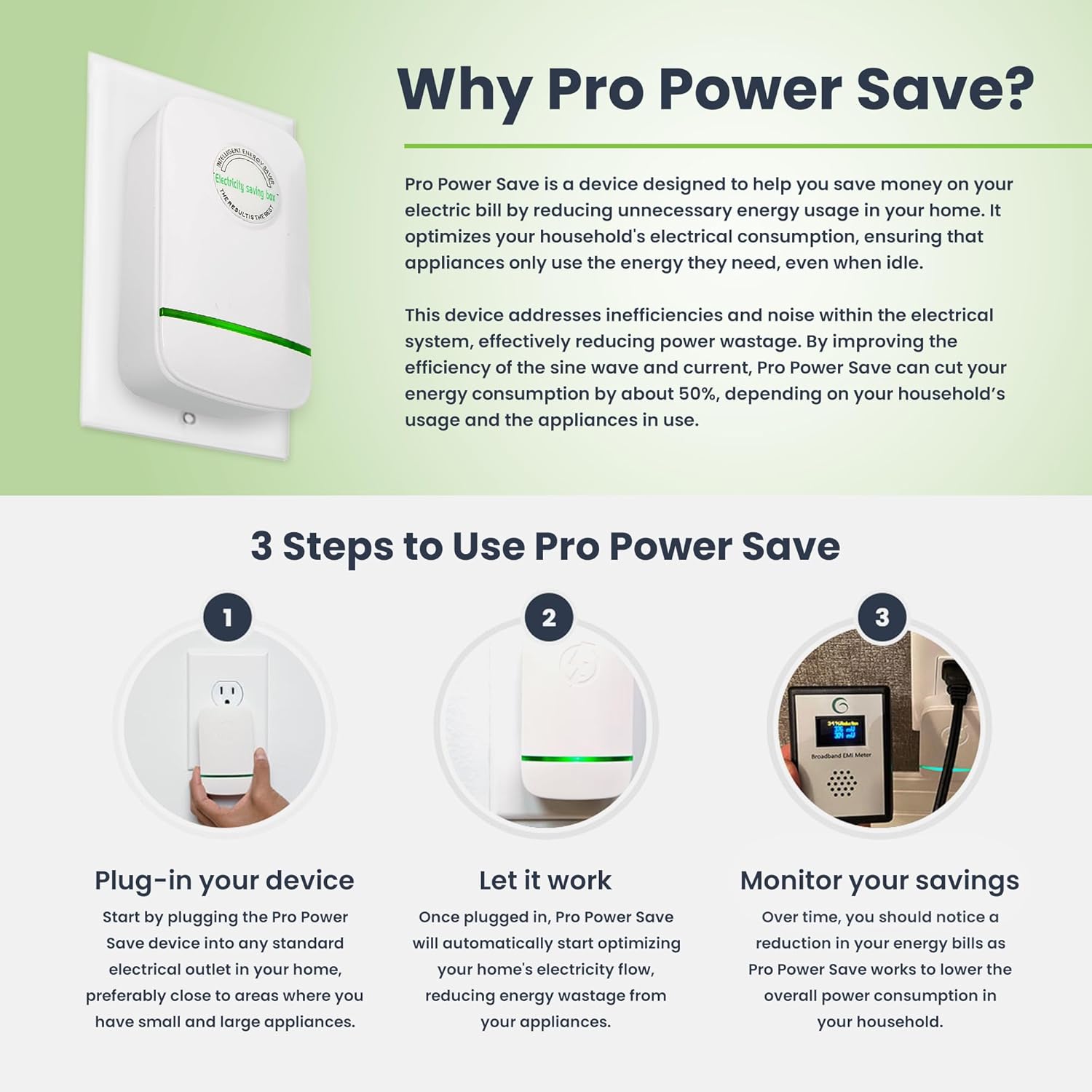


ELECTRICAL EQUIPMENT FOR IMPROVING ENERGY EFFICIENCY AND REDUCING COSTS
In today’s world, energy efficiency has become a crucial aspect of managing costs and reducing environmental impact. With the rising energy prices and increasing concerns about climate change, businesses and homeowners alike are looking for ways to improve energy efficiency and reduce costs. One of the most effective ways to achieve this is by using energy-efficient electrical equipment.
Energy-efficient electrical equipment is designed to use less energy while maintaining the same level of performance as traditional equipment. This means that by upgrading to energy-efficient equipment, businesses and homeowners can significantly reduce their energy consumption and costs without sacrificing performance.
Types of Energy-Efficient Electrical Equipment
There are several types of energy-efficient electrical equipment available in the market today. Some of the most common include:
- LED Lighting: LED lights are one of the most energy-efficient lighting options available. They use up to 90% less energy than traditional incandescent bulbs and can last up to 25 times longer.
- Energy-Efficient Appliances: Energy-efficient appliances such as refrigerators, washing machines, and dishwashers can significantly reduce energy consumption in homes and businesses.
- Variable Frequency Drives (VFDs): VFDs are used to control the speed of electric motors, which can significantly reduce energy consumption in industrial applications.
- Energy-Efficient Transformers: Energy-efficient transformers can reduce energy losses in electrical distribution systems, resulting in significant energy savings.
- Smart Thermostats: Smart thermostats can automatically adjust the temperature in homes and businesses based on occupancy and other factors, resulting in significant energy savings.
Benefits of Using Energy-Efficient Electrical Equipment
There are several benefits to using energy-efficient electrical equipment, including:
- Reduced Energy Costs: Energy-efficient equipment uses less energy, which translates into lower energy bills for businesses and homeowners.
- Reduced Environmental Impact: By using less energy, energy-efficient equipment helps to reduce greenhouse gas emissions and other environmental impacts associated with energy production.
- Improved Performance: Energy-efficient equipment is often designed to perform better than traditional equipment, resulting in improved productivity and reduced maintenance costs.
- Increased Comfort: Energy-efficient equipment such as smart thermostats can improve comfort levels in homes and businesses by automatically adjusting temperature and humidity levels.
- Increased Property Value: Homes and businesses that have energy-efficient equipment installed can have higher property values due to the reduced energy costs and improved comfort levels.
Conclusion
In conclusion, energy-efficient electrical equipment is an effective way to improve energy efficiency and reduce costs in homes and businesses. By upgrading to energy-efficient equipment such as LED lighting, energy-efficient appliances, VFDs, energy-efficient transformers, and smart thermostats, businesses and homeowners can significantly reduce their energy consumption and costs while also reducing their environmental impact and improving comfort levels.
While the initial cost of upgrading to energy-efficient equipment may be higher than traditional equipment, the long-term savings and benefits make it a worthwhile investment. As energy prices continue to rise and concerns about climate change grow, the importance of energy efficiency will only continue to increase, making energy-efficient electrical equipment an essential component of any modern home or business.
FAQs
Q: How much can I save by upgrading to energy-efficient electrical equipment?
A: The amount you can save by upgrading to energy-efficient electrical equipment depends on several factors, including the type of equipment you upgrade, your current energy consumption, and your energy rates. However, in general, upgrading to energy-efficient equipment can result in energy savings of up to 30% or more.
Q: Is energy-efficient electrical equipment more expensive than traditional equipment?
A: The initial cost of energy-efficient electrical equipment is often higher than traditional equipment. However, the long-term savings in energy costs typically outweigh the initial investment, making energy-efficient equipment a cost-effective choice in the long run.
Q: How long does energy-efficient electrical equipment last?
A: The lifespan of energy-efficient electrical equipment varies depending on the type of equipment and how it is used. However, in general, energy-efficient equipment is designed to last longer than traditional equipment. For example, LED lights can last up to 25 times longer than traditional incandescent bulbs.
Q: Can energy-efficient electrical equipment help reduce my carbon footprint?
A: Yes, energy-efficient electrical equipment can help reduce your carbon footprint by reducing your energy consumption. By using less energy, you are reducing the amount of greenhouse gases that are emitted into the atmosphere, which contributes to climate change.
Q: Is it difficult to install energy-efficient electrical equipment?
A: The difficulty of installing energy-efficient electrical equipment depends on the type of equipment and the complexity of the installation. Some equipment, such as LED lights, can be easily installed by homeowners or business owners. Other equipment, such as VFDs and energy-efficient transformers, may require professional installation. It is always recommended to consult with a qualified electrician when installing electrical equipment to ensure proper installation and safety.


