


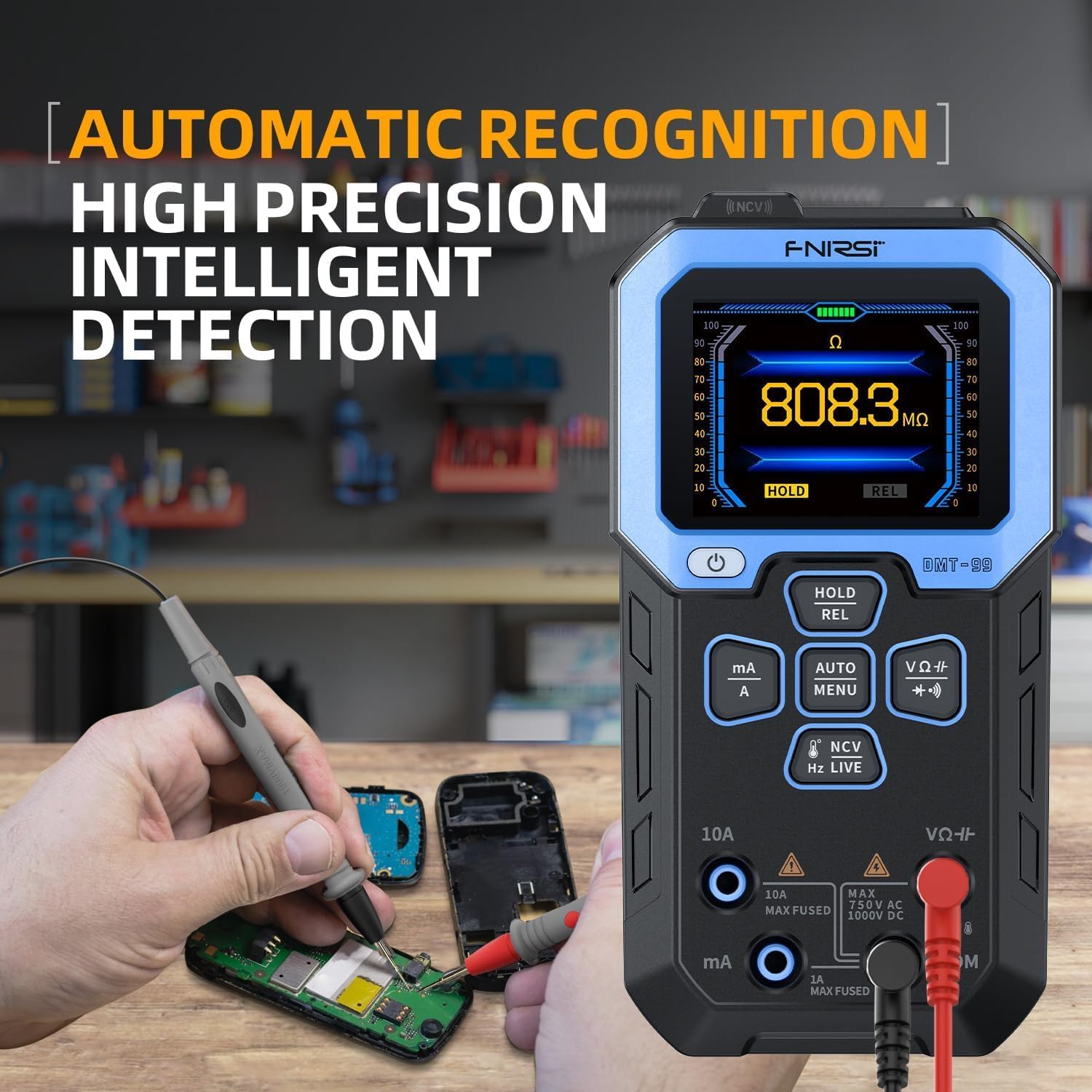
Electrical equipment for data collection and monitoring plays a crucial role in various industries, enabling businesses to gather valuable insights, optimize processes, and make informed decisions. This article will explore the different types of electrical equipment used for data collection and monitoring, their applications, and the benefits they offer.
Types of Electrical Equipment for Data Collection and Monitoring
1. Sensors: Sensors are devices that detect and respond to physical stimuli, such as temperature, pressure, light, or motion. They convert these stimuli into electrical signals that can be processed and analyzed. Common types of sensors include temperature sensors, pressure sensors, humidity sensors, and motion sensors.
2. Data Loggers: Data loggers are electronic devices that record data over time. They are equipped with sensors and memory to store the collected data. Data loggers are commonly used in environmental monitoring, industrial processes, and scientific research to track variables such as temperature, humidity, and pressure.
3. Data Acquisition Systems (DAQ): DAQ systems are computer-based devices that collect, process, and analyze data from multiple sensors simultaneously. They consist of hardware components, such as analog-to-digital converters (ADCs) and signal conditioning circuits, and software for data processing and visualization. DAQ systems are widely used in industrial automation, scientific research, and quality control applications.
4. Remote Terminal Units (RTUs): RTUs are electronic devices used in supervisory control and data acquisition (SCADA) systems. They are installed at remote locations to collect data from sensors and transmit it to a central monitoring system. RTUs are commonly used in industries such as oil and gas, water treatment, and power distribution.
5. Programmable Logic Controllers (PLCs): PLCs are industrial computer systems that control and monitor industrial processes. They are programmed to execute specific tasks based on input from sensors and other devices. PLCs are widely used in manufacturing, process control, and automation applications.
Applications of Electrical Equipment for Data Collection and Monitoring
1. Industrial Automation: Electrical equipment for data collection and monitoring is extensively used in industrial automation to optimize processes, improve efficiency, and ensure quality control. Sensors, DAQ systems, and PLCs are used to monitor and control various parameters, such as temperature, pressure, and flow rate, in manufacturing and process control applications.
2. Environmental Monitoring: Sensors and data loggers are used to monitor environmental conditions, such as temperature, humidity, air quality, and water quality. This data is essential for understanding and managing the impact of human activities on the environment, as well as for ensuring compliance with regulatory requirements.
3. Energy Management: Electrical equipment for data collection and monitoring is used in energy management systems to optimize energy consumption and reduce costs. Sensors and data loggers are used to monitor energy usage in buildings, industrial facilities, and power distribution networks, enabling businesses to identify areas for improvement and implement energy-saving measures.
4. Healthcare: In the healthcare industry, sensors and data loggers are used to monitor patients’ vital signs, such as heart rate, blood pressure, and body temperature. This data is used to diagnose and treat medical conditions, as well as to monitor the effectiveness of treatments and medications.
5. Transportation: Electrical equipment for data collection and monitoring is used in the transportation industry to monitor vehicle performance, track shipments, and optimize logistics. Sensors and GPS devices are used to collect data on vehicle location, speed, and fuel consumption, enabling businesses to improve efficiency and reduce costs.
Benefits of Electrical Equipment for Data Collection and Monitoring
1. Improved Efficiency: By collecting and analyzing data from various sources, businesses can identify inefficiencies and optimize processes, leading to increased productivity and reduced costs.
2. Enhanced Quality Control: Electrical equipment for data collection and monitoring enables businesses to monitor and control critical parameters in real-time, ensuring consistent product quality and reducing the risk of defects and recalls.
3. Predictive Maintenance: By monitoring the performance of equipment and machinery, businesses can detect potential issues before they lead to costly downtime and repairs. This predictive maintenance approach helps to minimize unplanned downtime and extend the lifespan of assets.
4. Data-Driven Decision Making: The data collected by electrical equipment for data collection and monitoring provides valuable insights that can inform business decisions. By analyzing this data, businesses can identify trends, anticipate challenges, and make informed decisions to drive growth and profitability.
5. Regulatory Compliance: In many industries, such as healthcare and environmental monitoring, compliance with regulatory requirements is essential. Electrical equipment for data collection and monitoring helps businesses to ensure compliance by providing accurate and reliable data for reporting and auditing purposes.
Conclusion
Electrical equipment for data collection and monitoring is an essential tool for businesses across various industries. By leveraging sensors, data loggers, DAQ systems, RTUs, and PLCs, businesses can collect and analyze data to optimize processes, improve efficiency, and make informed decisions. The applications of this equipment are diverse, ranging from industrial automation and environmental monitoring to healthcare and transportation. As technology continues to advance, the capabilities of electrical equipment for data collection and monitoring will only continue to grow, enabling businesses to unlock new insights and drive innovation.
FAQs
Q: What is the difference between a sensor and a data logger?
A: A sensor is a device that detects and responds to physical stimuli, while a data logger is an electronic device that records data from sensors over time. Data loggers typically incorporate one or more sensors and have memory to store the collected data.
Q: How do I choose the right electrical equipment for my data collection and monitoring needs?
A: The choice of electrical equipment depends on your specific application and requirements. Factors to consider include the type of data you need to collect, the environment in which the equipment will be used, and the level of accuracy and reliability required. It is recommended to consult with a knowledgeable supplier or engineer to determine the best solution for your needs.
Q: Can electrical equipment for data collection and monitoring be used in hazardous environments?
A: Yes, there are electrical equipment options designed for use in hazardous environments, such as those with explosive atmospheres or extreme temperatures. These devices are typically rated for specific hazardous area classifications and are constructed with materials and designs that minimize the risk of ignition or failure.
Q: How often should I calibrate my electrical equipment for data collection and monitoring?
A: The frequency of calibration depends on the specific equipment and application, as well as the level of accuracy required. It is generally recommended to follow the manufacturer’s guidelines for calibration intervals, which may range from several months to a year or more. Additionally, calibration should be performed if the equipment has been subjected to significant changes in environmental conditions or if it has been repaired or modified.


