


Electrical equipment plays a crucial role in the functioning of data centers and server rooms. These facilities are the backbone of modern businesses, storing and processing vast amounts of data that are critical to their operations. To ensure the uninterrupted operation of these facilities, it is essential to have reliable and efficient electrical equipment.
Power Distribution Units (PDUs)
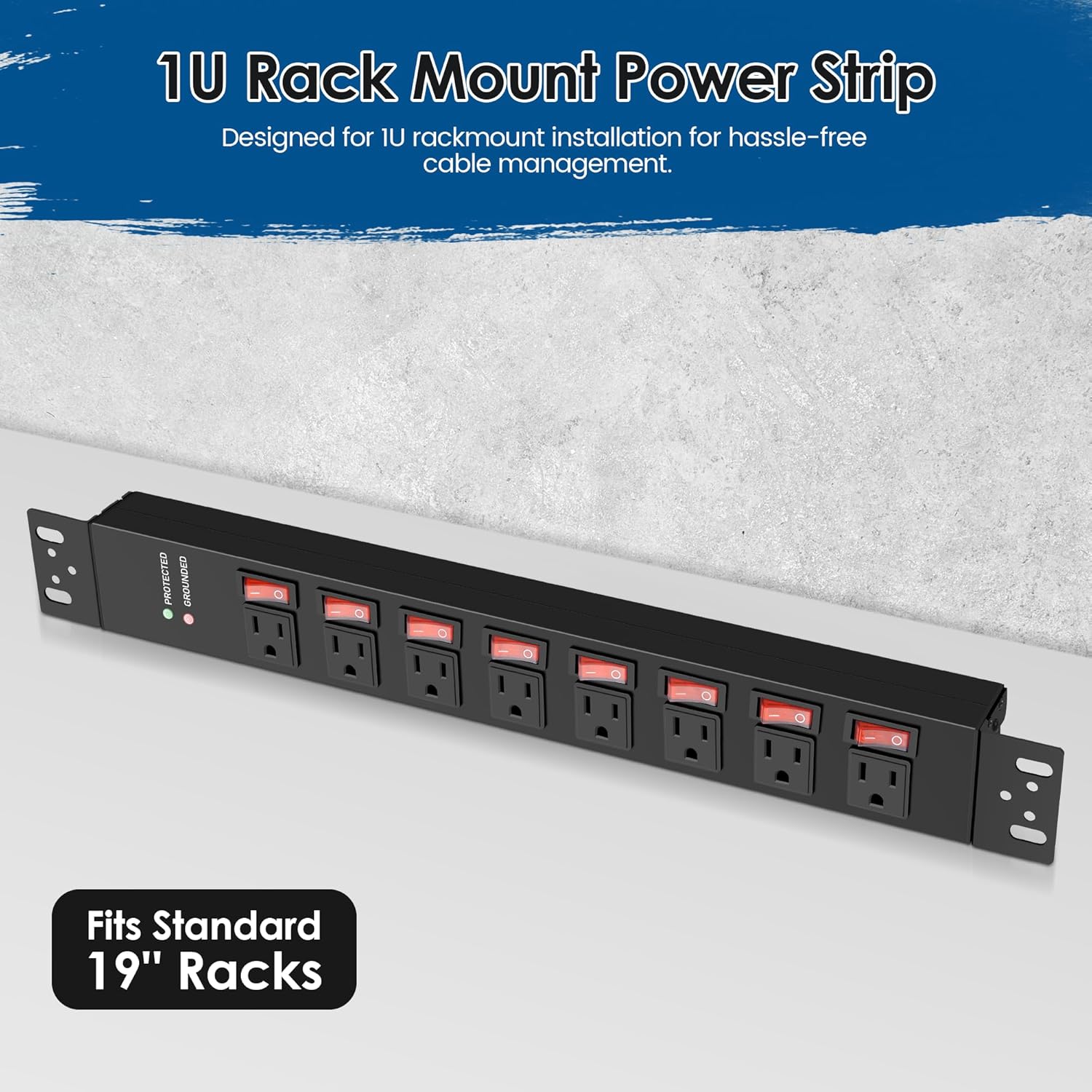
Power Distribution Units (PDUs) are an essential component of any data center or server room. They are responsible for distributing power from the main power source to the various devices and equipment within the facility. PDUs come in various forms, including basic PDUs that simply distribute power and more advanced units that offer features such as remote monitoring and control.
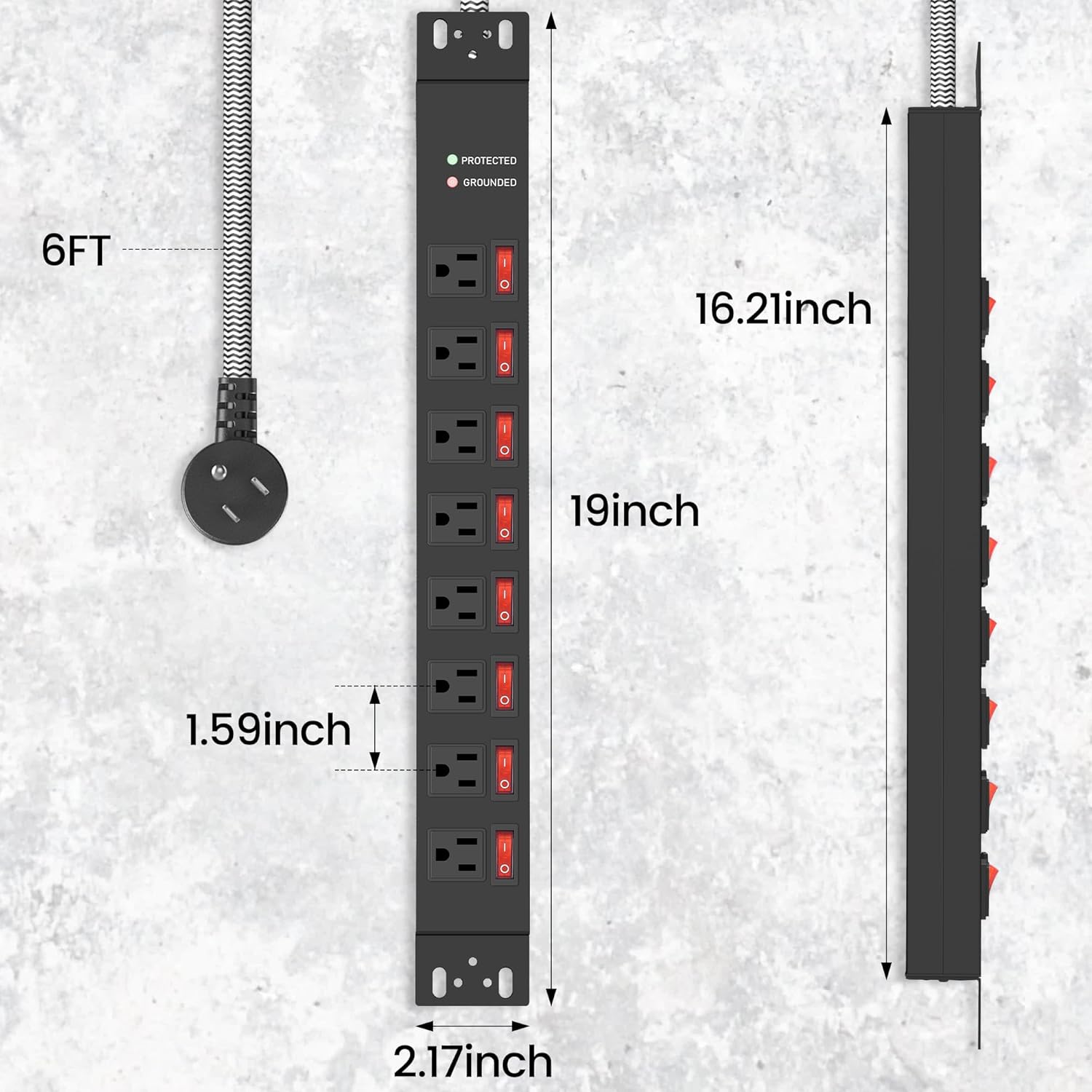
Basic PDUs are simple power strips that provide multiple outlets for plugging in devices. They are suitable for small server rooms or data centers with minimal power requirements. However, for larger facilities, more advanced PDUs are necessary. These PDUs offer features such as power metering, which allows administrators to monitor power consumption and identify potential issues before they become critical.
Some advanced PDUs also offer remote monitoring and control, allowing administrators to manage power distribution from a central location. This feature is particularly useful in large data centers where it may not be practical to physically access each PDU.
Uninterruptible Power Supplies (UPS)
Uninterruptible Power Supplies (UPS) are another critical component of data centers and server rooms. They provide backup power in the event of a power outage, ensuring that the facility can continue to operate until power is restored or a proper shutdown can be initiated.
UPS systems come in various sizes and capacities, depending on the needs of the facility. Smaller UPS units may provide backup power for a few minutes, while larger units can keep a facility running for several hours.
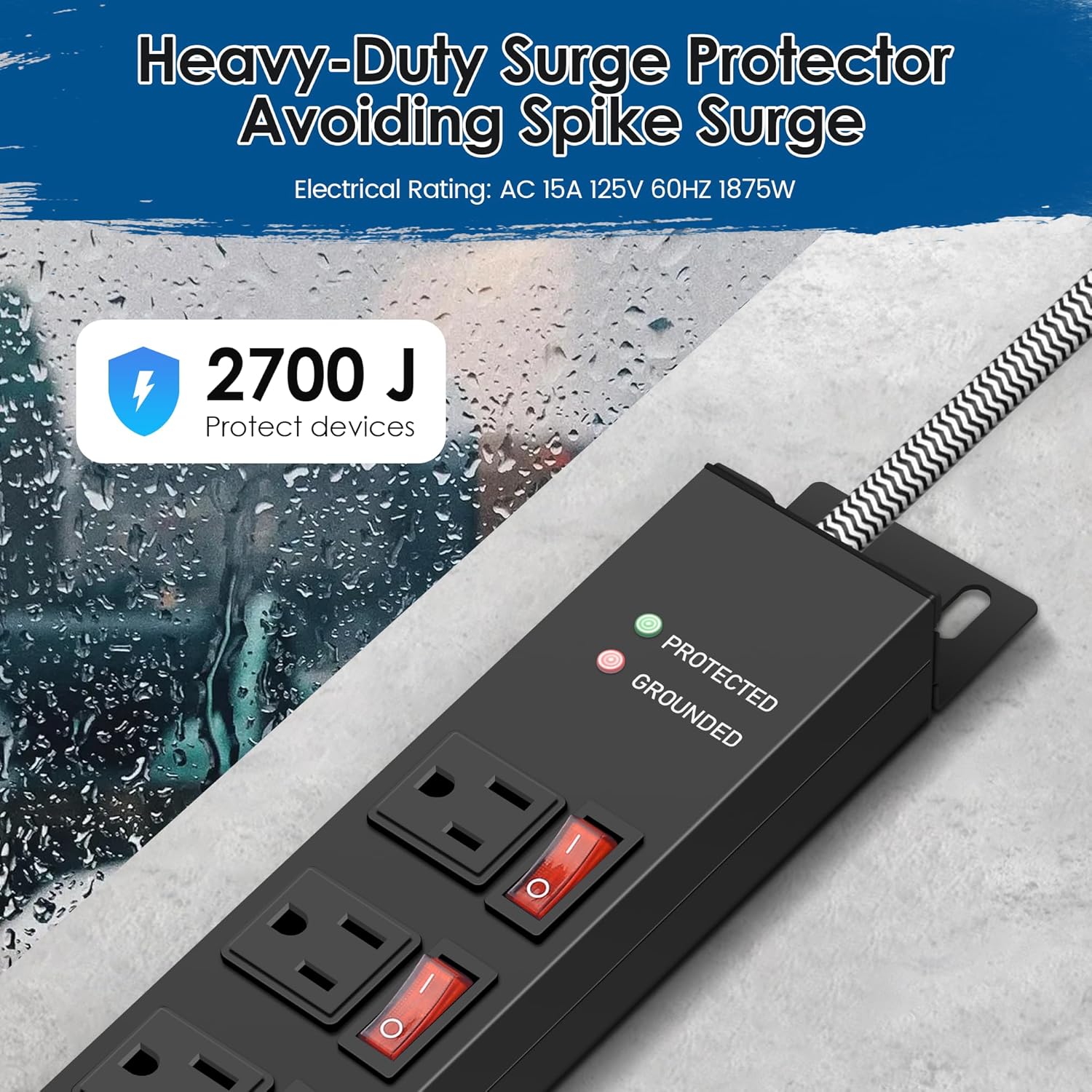
In addition to providing backup power, UPS systems also help to regulate power quality. They can filter out power surges and spikes, protecting sensitive equipment from damage. This is particularly important in areas with unreliable power grids or frequent power fluctuations.
Power Generators
For data centers and server rooms that require extended backup power, power generators are often used in conjunction with UPS systems. These generators can provide power for days or even weeks, depending on their size and fuel capacity.
Generators are typically powered by diesel or natural gas and are designed to automatically start up in the event of a power outage. They work in tandem with UPS systems, which provide immediate backup power until the generator can come online.
Generators require regular maintenance to ensure they are functioning properly and will be ready when needed. This includes regular testing, fuel management, and maintenance of the engine and other components.
Cooling Systems
In addition to power distribution and backup, cooling systems are also critical in data centers and server rooms. These facilities generate a significant amount of heat due to the large number of devices and equipment operating continuously.
Cooling systems help to regulate the temperature and humidity within the facility, preventing equipment from overheating and ensuring optimal performance. There are various types of cooling systems used in data centers and server rooms, including:
- Computer Room Air Conditioners (CRACs): These units are designed specifically for data centers and server rooms and provide targeted cooling to specific areas or equipment.
- Chilled Water Systems: These systems use chilled water to cool the air within the facility. The chilled water is circulated through a network of pipes and air handlers to distribute the cooled air.
- Hot Aisle/Cold Aisle: This is a layout design that involves arranging server racks in alternating rows, with cold air supplied to the front of the racks and hot air exhausted from the back. This creates separate hot and cold aisles, improving cooling efficiency.
Surge Protection
Surge protection is another important consideration for data centers and server rooms. Power surges can cause significant damage to sensitive electronic equipment, leading to downtime and costly repairs.
Surge protection devices (SPDs) are designed to protect against power surges by diverting excess voltage away from connected equipment. They are typically installed at various points in the power distribution system, including at the main service entrance, at distribution panels, and at individual equipment outlets.
In addition to SPDs, other surge protection measures may include the use of shielded cables and proper grounding of equipment.
Conclusion
Electrical equipment is a critical component of data centers and server rooms, ensuring the reliable and efficient operation of these facilities. From power distribution and backup to cooling and surge protection, a well-designed electrical infrastructure is essential for maintaining the availability and performance of the data center or server room.
When designing or upgrading a data center or server room, it is important to carefully consider the electrical equipment needs of the facility. Factors such as power requirements, backup power needs, cooling requirements, and surge protection should all be taken into account.
By investing in high-quality electrical equipment and regularly maintaining and upgrading systems as needed, data center and server room operators can ensure the continued reliability and availability of these critical facilities.
FAQs
Q: What is the difference between a basic PDU and an advanced PDU?
A: Basic PDUs simply distribute power to devices, while advanced PDUs offer additional features such as power metering, remote monitoring, and control.
Q: How long can a UPS keep a data center or server room running during a power outage?
A: The runtime of a UPS depends on its size and capacity, as well as the power requirements of the facility. Smaller UPS units may provide backup power for a few minutes, while larger units can keep a facility running for several hours.
Q: What is the purpose of a hot aisle/cold aisle layout in a data center or server room?
A: A hot aisle/cold aisle layout improves cooling efficiency by arranging server racks in alternating rows, with cold air supplied to the front of the racks and hot air exhausted from the back. This creates separate hot and cold aisles, allowing for more targeted cooling.
Q: Why is surge protection important in data centers and server rooms?
A: Surge protection is important because power surges can cause significant damage to sensitive electronic equipment, leading to downtime and costly repairs. Surge protection devices (SPDs) help to divert excess voltage away from connected equipment, protecting it from damage.


