

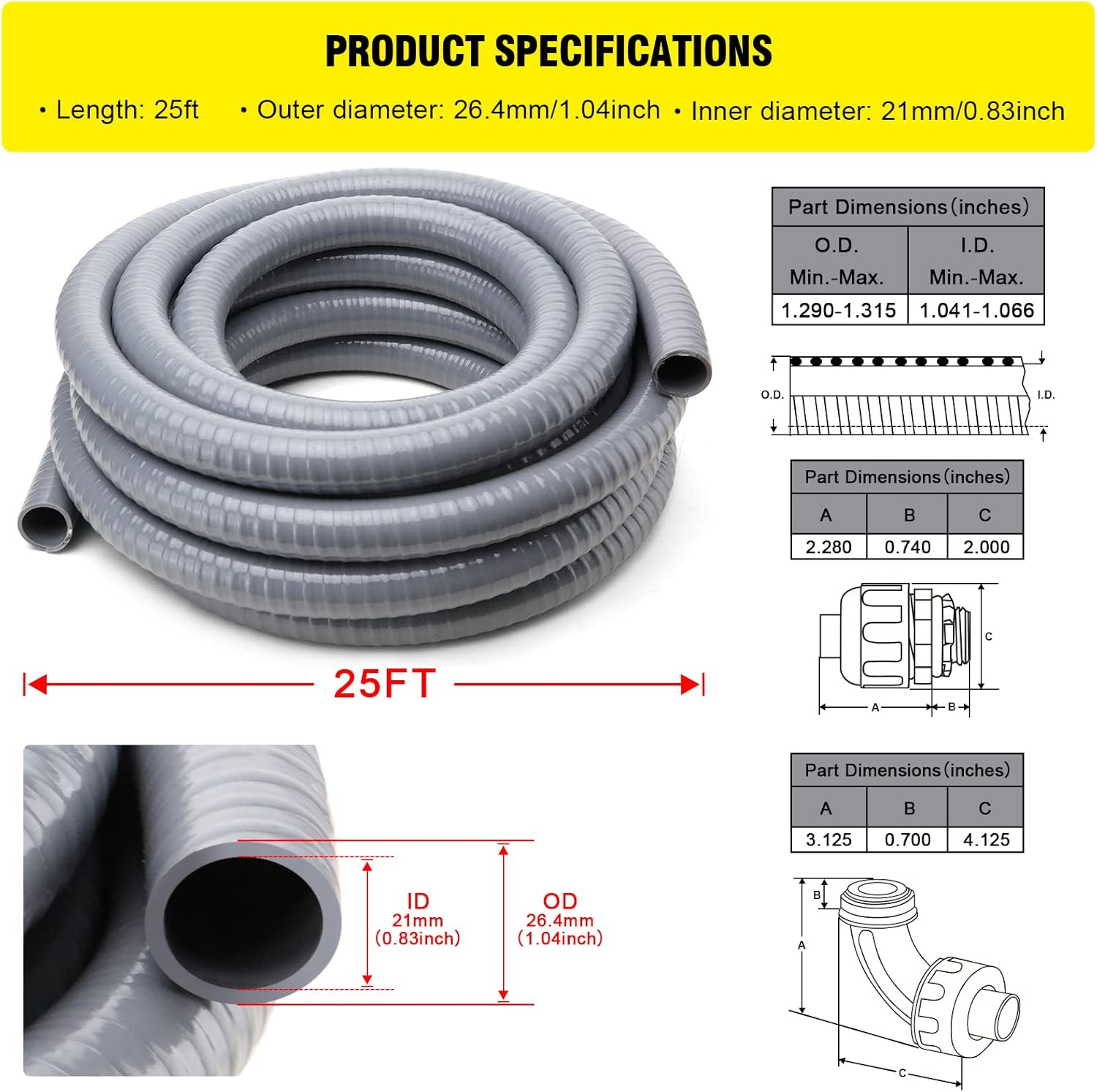


Electrical conduit and fittings are essential components in any electrical installation. They provide a safe and efficient way to route and protect electrical wiring in various environments. In this article, we will explore the different types of electrical conduit and fittings, their applications, and the benefits they offer.
Types of Electrical Conduit
There are several types of electrical conduit available, each with its own unique characteristics and applications. The most common types include:
- Rigid Metal Conduit (RMC): RMC is a heavy-duty conduit made from steel or aluminum. It offers excellent protection against physical damage and is suitable for use in industrial and commercial settings.
- Intermediate Metal Conduit (IMC): IMC is similar to RMC but with a slightly thinner wall, making it lighter and more cost-effective. It is commonly used in industrial and commercial applications.
- Electrical Metallic Tubing (EMT): EMT is a lightweight, thin-walled metal conduit that is easy to install and offers good protection against physical damage. It is commonly used in residential and light commercial applications.
- Polyvinyl Chloride (PVC) Conduit: PVC conduit is a non-metallic, lightweight, and corrosion-resistant option. It is suitable for use in wet or damp locations and is commonly used in underground or outdoor applications.
- Flexible Metal Conduit (FMC): FMC is a helically wound metal conduit that offers flexibility and protection against vibration and movement. It is commonly used in applications where rigid conduit is not practical, such as connecting motors or equipment.
- Liquidtight Flexible Metal Conduit (LFMC): LFMC is similar to FMC but with a waterproof jacket, making it suitable for use in wet or damp locations.
Electrical Conduit Fittings
In addition to conduit, various fittings are used to connect, terminate, and change the direction of the conduit runs. Some common types of conduit fittings include:
- Couplings: Couplings are used to connect two pieces of conduit together. They are available in various types, such as straight, set-screw, and compression couplings.
- Connectors: Connectors are used to terminate conduit runs and connect them to electrical boxes or enclosures. They are available in various types, such as straight, 90-degree, and snap-in connectors.
- Elbows: Elbows are used to change the direction of conduit runs. They are available in various angles, such as 45-degree and 90-degree elbows.
- Bushings: Bushings are used to reduce the size of a conduit opening, allowing for a smaller conduit to be connected to a larger one.
- Locknuts: Locknuts are used to secure connectors to electrical boxes or enclosures, providing a tight and secure connection.
Benefits of Electrical Conduit and Fittings
Using electrical conduit and fittings offers several benefits in electrical installations:
- Protection: Conduit and fittings protect electrical wiring from physical damage, moisture, and corrosion, ensuring the safety and longevity of the electrical system.
- Organization: Conduit and fittings help organize and route electrical wiring, making the installation neater, more manageable, and easier to maintain.
- Flexibility: Various types of conduit and fittings are available to accommodate different installation requirements, such as changes in direction, transitions between different conduit sizes, and connections to electrical boxes or enclosures.
- Safety: Conduit and fittings help prevent electrical shock and fire hazards by providing a grounded path for electrical wiring and protecting against accidental contact with live wires.
- Compliance: Using proper conduit and fittings ensures compliance with electrical codes and standards, which is essential for passing inspections and maintaining a safe electrical system.
Conclusion
Electrical conduit and fittings are crucial components in any electrical installation. They provide protection, organization, flexibility, safety, and compliance with electrical codes and standards. By understanding the different types of conduit and fittings available and their applications, electricians can design and install safe, efficient, and reliable electrical systems.
Frequently Asked Questions (FAQs)
- What is the difference between rigid and flexible conduit?
Rigid conduit is made from solid metal or PVC and provides a sturdy, protective pathway for electrical wiring. Flexible conduit, on the other hand, is made from helically wound metal or liquidtight material and offers flexibility and protection against vibration and movement. - Can I mix different types of conduit in the same installation?
Yes, different types of conduit can be used in the same installation, provided that the appropriate fittings and transitions are used. However, it is essential to follow the electrical codes and standards for the specific application. - How do I choose the right size of conduit for my installation?
The size of the conduit depends on several factors, such as the number and size of the electrical wires, the length of the conduit run, and the environmental conditions. It is essential to consult the manufacturer’s specifications and follow the electrical codes and standards to determine the appropriate conduit size. - Do I need to ground electrical conduit?
Yes, metal electrical conduit must be properly grounded to ensure safety and compliance with electrical codes. Grounding helps prevent electrical shock and provides a safe path for fault currents. - Can I use PVC conduit outdoors?
Yes, PVC conduit is suitable for outdoor use, as it is resistant to moisture, corrosion, and UV radiation. However, it is essential to use the appropriate fittings and follow the manufacturer’s guidelines for proper installation.


