


Outdoor enthusiasts often find themselves in remote locations, far from the comforts and conveniences of modern life. While this is part of the appeal of outdoor adventures, it also means that they need to be prepared for emergencies. Having the right tools can make all the difference in a survival situation. In this article, we’ll discuss some of the best emergency tools for outdoor enthusiasts.
1. Multi-tool
A multi-tool is an essential piece of gear for any outdoor enthusiast. These compact tools typically include a variety of functions, such as pliers, knives, screwdrivers, and can openers. They’re perfect for repairing gear, preparing food, or handling other tasks that may arise in the wilderness.
2. First-aid kit
Accidents can happen anywhere, but they’re more likely to occur in the outdoors. A well-stocked first-aid kit can help you treat minor injuries and illnesses, preventing them from becoming more serious. Your kit should include bandages, antiseptic, pain relievers, and any personal medications you may need.
3. Fire starter
Fire is an essential element for survival in the wilderness. It provides warmth, light, and a means to cook food and purify water. A reliable fire starter, such as waterproof matches or a flint striker, should be a part of every outdoor enthusiast’s emergency kit.
4. Water purification system
Access to clean drinking water is crucial for survival in the outdoors. A water purification system, such as a filter or chemical tablets, can help you make safe drinking water from natural sources like streams and lakes.
5. Emergency shelter
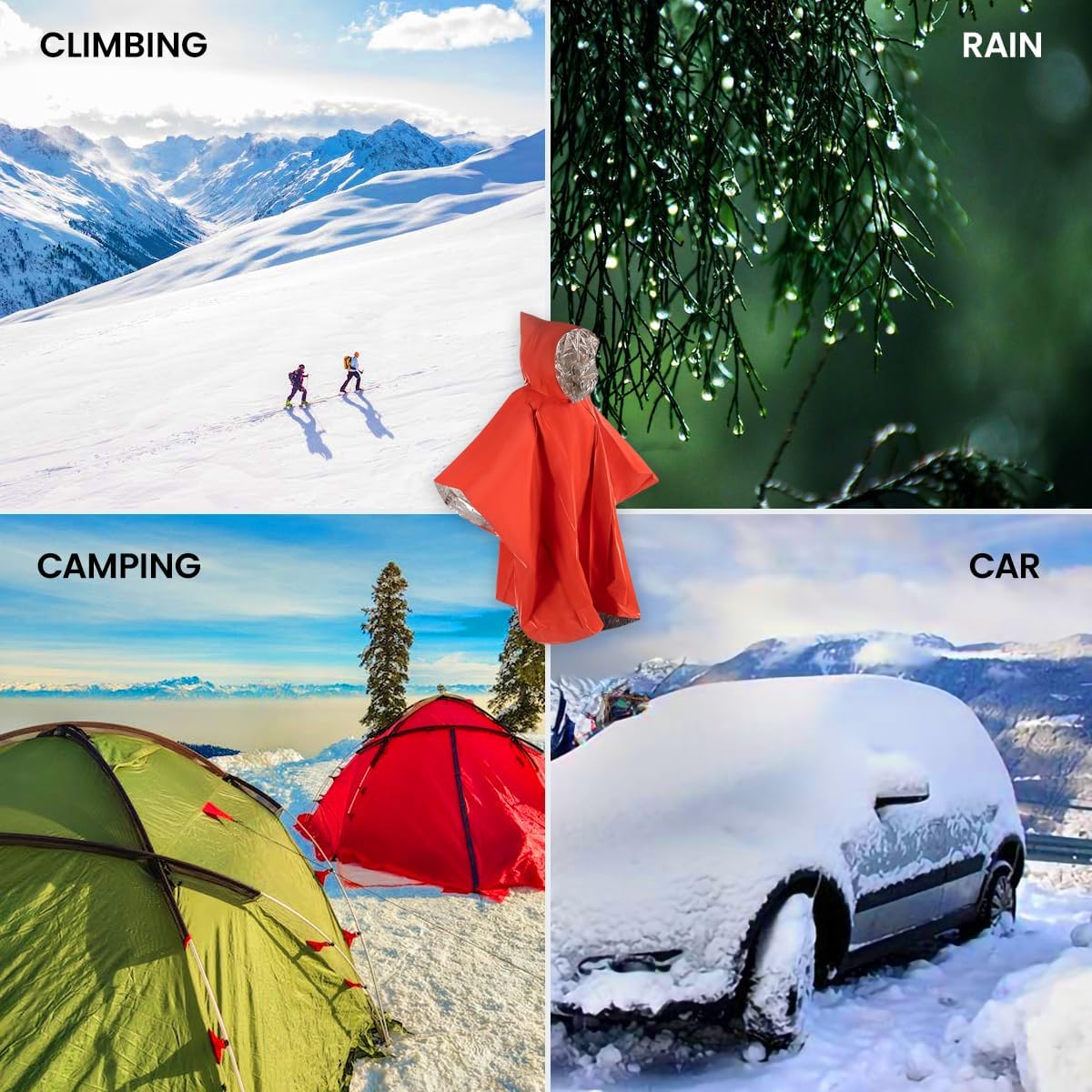
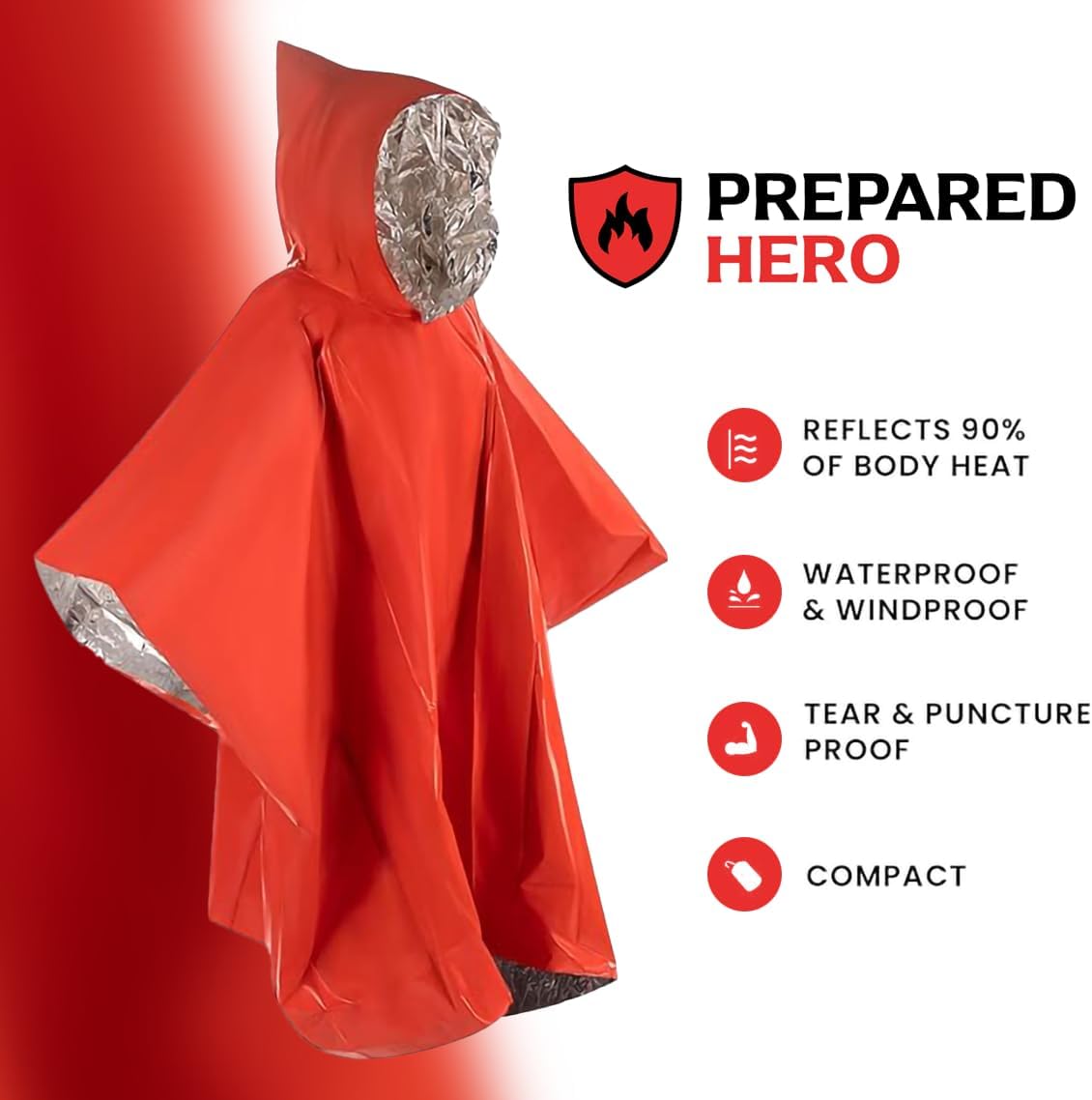
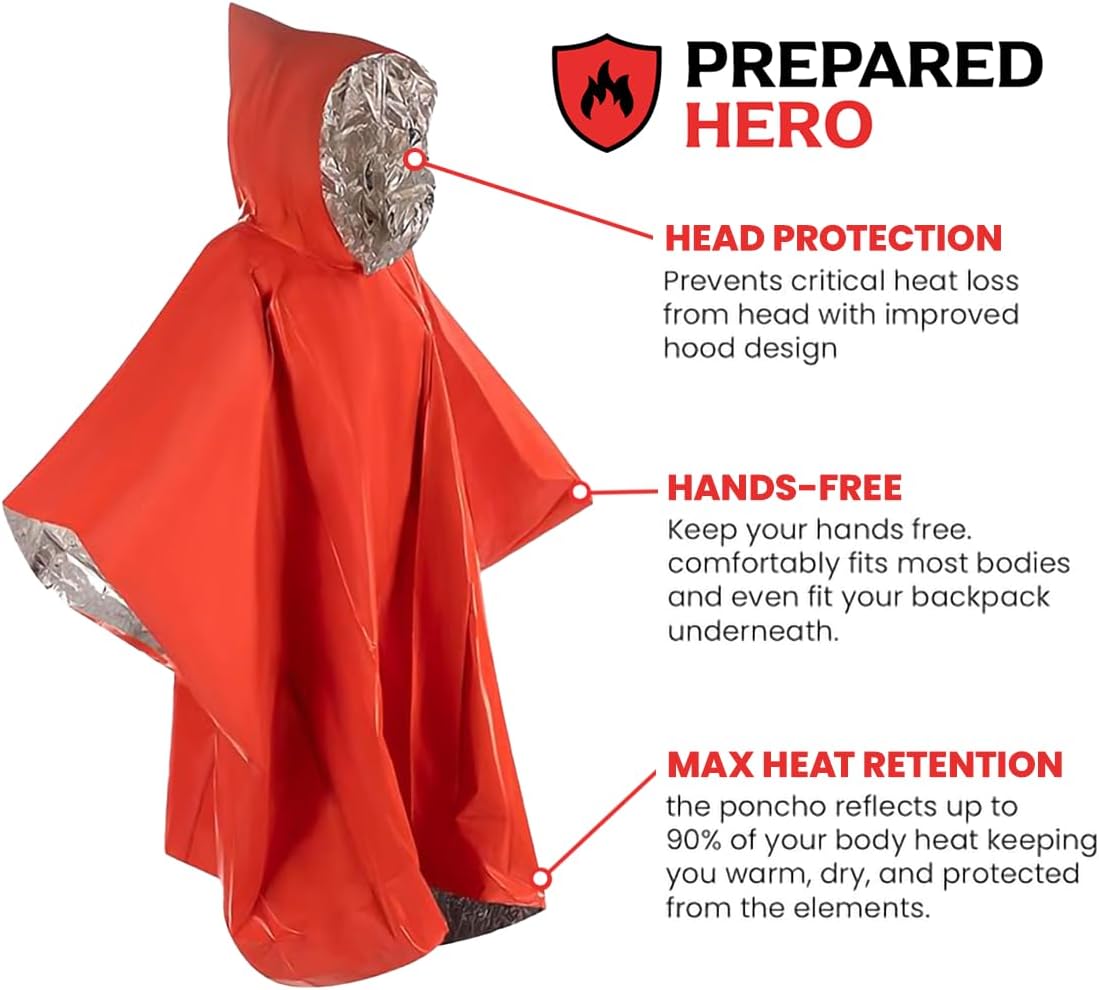
An emergency shelter can protect you from the elements if you become stranded or lost in the wilderness. Options include lightweight tents, bivy sacks, or even a simple tarp. Choose a shelter that’s appropriate for the environment you’ll be in and the space you have available in your pack.
6. Navigation tools
A map and compass are essential navigation tools for outdoor enthusiasts. They can help you stay on course and find your way back to civilization if you become lost. GPS devices and satellite communicators can also be useful, but they should not be relied upon as your sole means of navigation, as they can fail or lose signal.
7. Headlamp or flashlight
A light source is essential for navigating in the dark and performing tasks at night. A headlamp is a hands-free option that’s perfect for outdoor activities, while a flashlight can also be useful. Be sure to pack extra batteries.
8. Knife
A knife is a versatile tool that can be used for a variety of tasks in the outdoors, from preparing food to building shelter. Choose a sturdy, full-tang knife with a fixed blade for the best performance and durability.
9. Paracord
Paracord is a lightweight, strong cord that can be used for a variety of purposes in the outdoors, from setting up shelter to repairing gear. It’s a good idea to carry a length of paracord in your emergency kit.
10. Signaling devices
If you become lost or injured in the wilderness, you’ll need a way to signal for help. A whistle, mirror, or bright-colored cloth can be used to attract attention from search and rescue teams. A satellite communicator or personal locator beacon can also be used to send a distress signal.
Conclusion
No one wants to think about emergencies when planning an outdoor adventure, but being prepared can make all the difference if something goes wrong. By carrying these essential emergency tools, outdoor enthusiasts can be ready to handle whatever challenges the wilderness throws their way. Remember to also acquire the knowledge and skills necessary to use these tools effectively, and to always let someone know your plans before heading out into the wilderness.
FAQs
- Q: Do I really need all of these tools for every outdoor trip?
- A: The specific tools you’ll need may vary depending on the type of trip you’re taking, the environment you’ll be in, and your personal preferences. However, it’s a good idea to have a basic set of emergency tools with you on every outdoor adventure.
- Q: Can’t I just rely on my smartphone for navigation and communication?
- A: While smartphones can be useful tools in the outdoors, they should not be relied upon as your sole means of navigation and communication. They can lose signal, run out of battery, or become damaged. Always carry a map and compass and consider a satellite communicator for backup.
- Q: How often should I replace the items in my emergency kit?
- A: It’s a good idea to check your emergency kit before each trip and replace any items that are expired, damaged, or used up. At a minimum, you should review your kit at least once a year.