

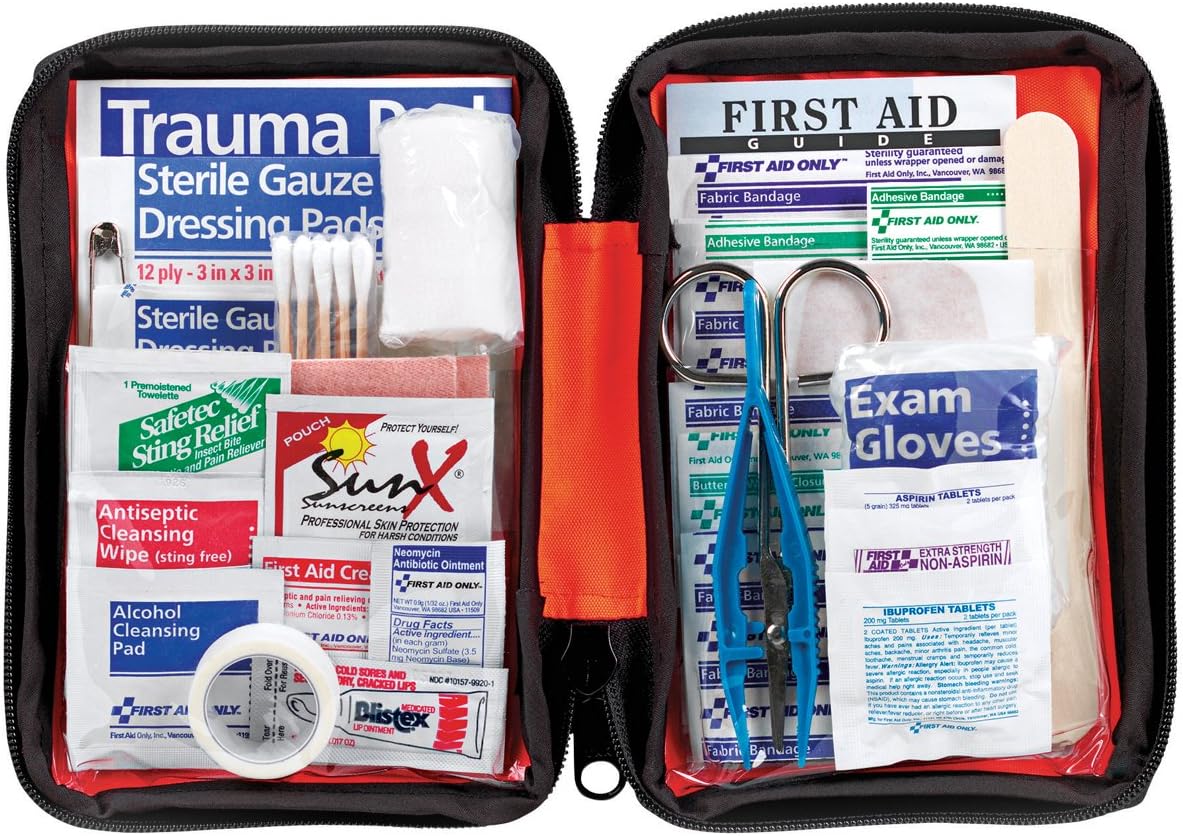


Emergency survival kits are essential for preparing for natural disasters and unexpected events. Depending on your geographical location, the contents of your survival kit may vary. In this article, we will discuss the importance of having a survival kit tailored to your specific location and provide examples of what to include in your kit.
Why Geographical Location Matters
Different regions are prone to different types of natural disasters. For example, coastal areas may be more susceptible to hurricanes and flooding, while the West Coast of the United States is known for earthquakes. By understanding the risks associated with your location, you can better prepare for potential emergencies.
Types of Emergency Survival Kits
Earthquake Survival Kit
If you live in an area prone to earthquakes, such as California or Alaska, your survival kit should include:
- Sturdy shoes to protect your feet from broken glass and debris
- Dust masks to filter out airborne particles
- Emergency water and food rations
- First aid kit and prescription medications
- Flashlights and extra batteries
- Whistle to signal for help
- Portable radio to stay informed about the situation
Hurricane Survival Kit
For those living in hurricane-prone areas, such as the Gulf Coast or the Eastern Seaboard, your survival kit should contain:
- Non-perishable food and water for at least three days
- Manual can opener
- First aid kit and prescription medications
- Battery-powered radio and flashlights with extra batteries
- Hygiene items and sanitation supplies
- Waterproof container for important documents
- Local maps and a whistle to signal for help
Wildfire Survival Kit
If you live in an area susceptible to wildfires, such as the Western United States, your survival kit should include:
- N95 respirator masks to protect against smoke inhalation
- Emergency food and water supplies
- First aid kit and prescription medications
- Flashlights and extra batteries
- Whistle to signal for help
- Fire extinguisher and fire-resistant gloves
- Important documents and local maps
Tornado Survival Kit
For those living in tornado-prone areas, such as the Midwest, your survival kit should contain:
- Emergency food and water rations
- First aid kit and prescription medications
- Battery-powered radio and flashlights with extra batteries
- Sturdy shoes and protective clothing
- Whistle to signal for help
- Important documents and local maps
Additional Considerations
In addition to the items listed above, there are several other factors to consider when assembling your emergency survival kit:
- Customize your kit based on your family’s specific needs, such as including items for pets or infants.
- Regularly check and update your kit to ensure all items are in working order and have not expired.
- Store your kit in a easily accessible location, and make sure all family members know where it is kept.
- Consider having multiple kits for different locations, such as home, work, and vehicle.
Conclusion
Preparing for natural disasters and emergencies is crucial for ensuring the safety of you and your family. By creating an emergency survival kit tailored to your geographical location, you can increase your chances of weathering the storm and recovering from the event. Remember to regularly review and update your kit, and make sure all family members are familiar with its contents and location.
Frequently Asked Questions (FAQs)
Q: How often should I update my emergency survival kit?
A: It is recommended to review and update your kit at least once a year, or whenever there are changes in your family’s needs or circumstances.
Q: Can I purchase a pre-made emergency survival kit?
A: Yes, there are many pre-made kits available for purchase. However, it is still important to customize the kit based on your specific needs and geographical location.
Q: How much water should I include in my emergency survival kit?
A: The general recommendation is to have at least one gallon of water per person per day, with a minimum three-day supply.
Q: What is the most important item to have in an emergency survival kit?
A: While all items in a survival kit are important, having access to clean water is arguably the most critical, as dehydration can quickly become life-threatening.