


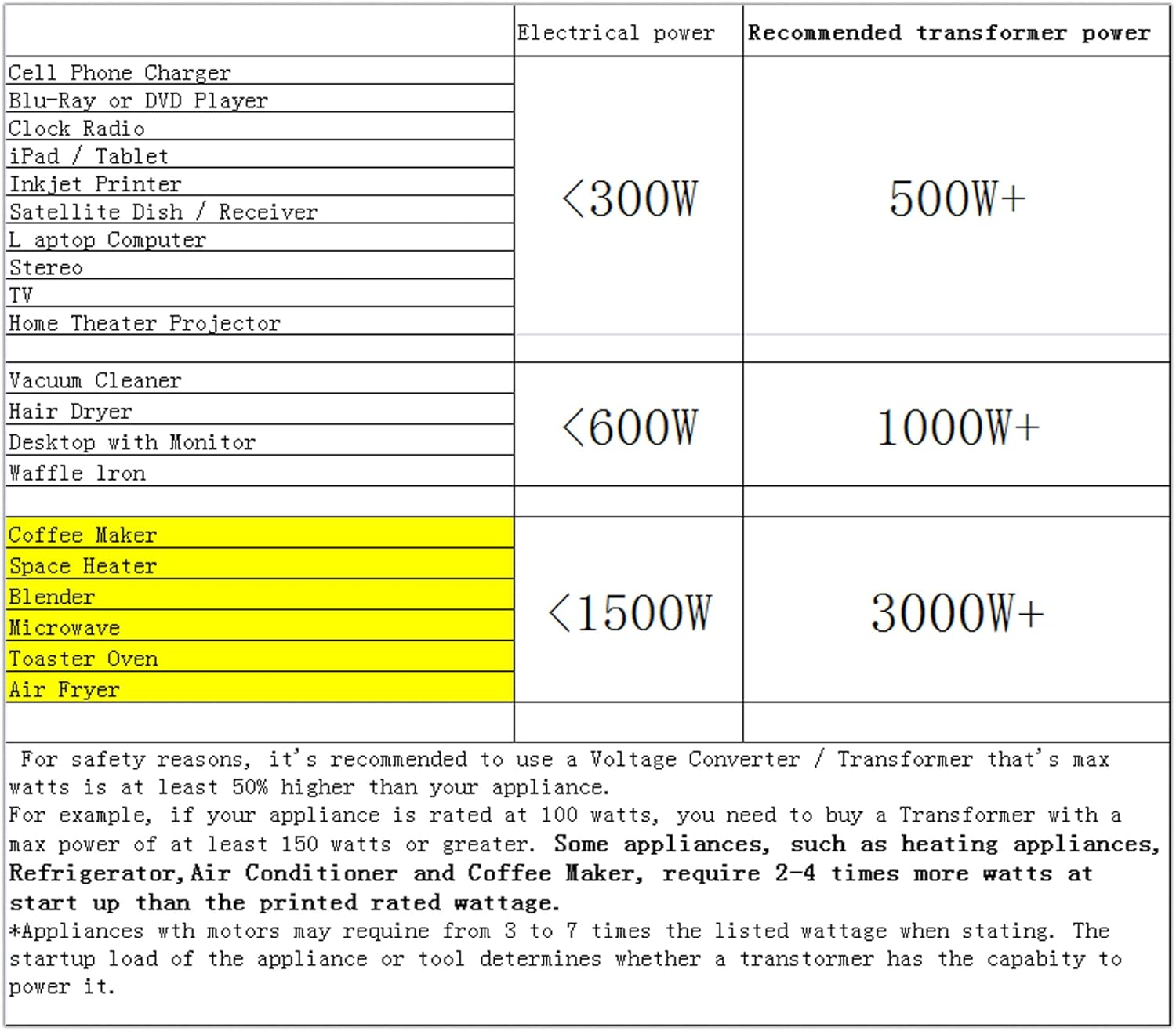


Electrical transformers are essential components in power distribution systems, enabling the efficient conversion of voltage levels to facilitate the transmission and distribution of electricity. These devices play a crucial role in ensuring that electrical power is delivered safely and effectively to homes, businesses, and industries. In this article, we will explore the importance of efficient electrical transformers for voltage conversion and discuss their various applications.
The Importance of Efficient Electrical Transformers
Efficiency is a key factor in the design and operation of electrical transformers. Inefficient transformers can lead to significant energy losses, increased operating costs, and reduced overall system performance. On the other hand, efficient transformers minimize energy losses, improve power quality, and enhance the reliability of power distribution networks.
One of the primary reasons for using transformers is to optimize the transmission of electrical power over long distances. By stepping up the voltage levels, transformers reduce the current flowing through the transmission lines, thereby minimizing resistive losses and improving the efficiency of power transmission. At the receiving end, transformers step down the voltage to levels suitable for distribution and consumption.
Types of Electrical Transformers
There are several types of electrical transformers, each designed to cater to specific applications and requirements. Some of the most common types include:
- Power Transformers: These transformers are used in high-voltage transmission systems and are designed to handle large amounts of power. They are typically used in power generation plants, substations, and other high-voltage applications.
- Distribution Transformers: Distribution transformers are used to step down the voltage from transmission levels to levels suitable for distribution to homes and businesses. They are typically installed on utility poles or in underground vaults.
- Isolation Transformers: Isolation transformers are used to provide electrical isolation between two circuits while allowing the transfer of energy. They are commonly used in medical equipment, telecommunications systems, and other applications where electrical isolation is required.
- Autotransformers: Autotransformers have a single winding that serves as both the primary and secondary winding. They are used in applications where a small voltage adjustment is required, such as in voltage regulators and dimmer switches.
Factors Affecting Transformer Efficiency
Several factors can impact the efficiency of electrical transformers, including:
- Core Material: The choice of core material, such as silicon steel or amorphous metal, can significantly affect transformer efficiency. High-quality core materials with low hysteresis and eddy current losses can improve efficiency.
- Winding Design: The design of the transformer windings, including the choice of conductor material, winding configuration, and insulation, can impact efficiency. Proper winding design can minimize losses due to resistance and leakage inductance.
- Cooling System: Efficient cooling systems, such as oil immersion or forced air cooling, can help dissipate heat generated within the transformer, thereby reducing thermal losses and improving overall efficiency.
- Load Conditions: Transformers are designed to operate most efficiently at specific load levels. Operating a transformer above or below its rated capacity can lead to increased losses and reduced efficiency.
Applications of Efficient Electrical Transformers
Efficient electrical transformers find applications in various sectors, including:
- Power Distribution: Transformers are used extensively in power distribution networks to step up and step down voltage levels, enabling the efficient transmission and distribution of electricity to consumers.
- Renewable Energy Systems: Transformers play a crucial role in integrating renewable energy sources, such as wind and solar, into the power grid. They are used to step up the voltage of the generated electricity for efficient transmission to the grid.
- Industrial Applications: Transformers are used in various industrial applications, such as in manufacturing plants, mining operations, and oil and gas facilities. They are used to provide the necessary voltage levels for powering industrial equipment and machinery.
- Transportation: Electrical transformers are used in railway electrification systems to power trains and in electric vehicle charging infrastructure to step down the voltage for charging batteries.
Conclusion
Efficient electrical transformers are vital components in modern power distribution systems, enabling the safe and effective transmission and distribution of electricity. By minimizing energy losses and improving power quality, efficient transformers contribute to the overall reliability and sustainability of the electrical grid. As the demand for electricity continues to grow and the integration of renewable energy sources increases, the importance of efficient transformers will only continue to rise. Investing in advanced transformer technologies and promoting efficient transformer designs can lead to significant energy savings, reduced operating costs, and a more resilient power infrastructure.
Frequently Asked Questions (FAQs)
Q: How do transformers contribute to energy efficiency?
A: Transformers contribute to energy efficiency by minimizing resistive losses during power transmission and distribution. By stepping up the voltage levels, transformers reduce the current flowing through the transmission lines, thereby reducing resistive losses and improving the efficiency of power transmission.
Q: What are the main types of electrical transformers?
A: The main types of electrical transformers include power transformers, distribution transformers, isolation transformers, and autotransformers. Each type is designed for specific applications and requirements.
Q: How can transformer efficiency be improved?
A: Transformer efficiency can be improved by using high-quality core materials, optimizing winding design, implementing efficient cooling systems, and operating transformers at their rated capacity.
Q: What are some common applications of electrical transformers?
A: Electrical transformers find applications in power distribution networks, renewable energy systems, industrial facilities, and transportation, among others. They are used to step up and step down voltage levels, integrate renewable energy sources into the grid, power industrial equipment, and support railway electrification and electric vehicle charging infrastructure.


